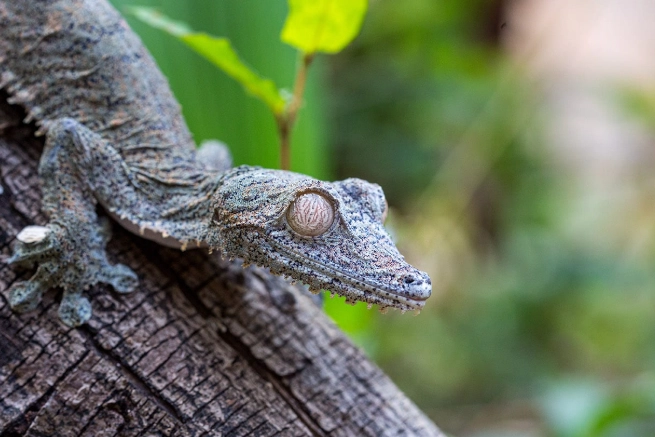
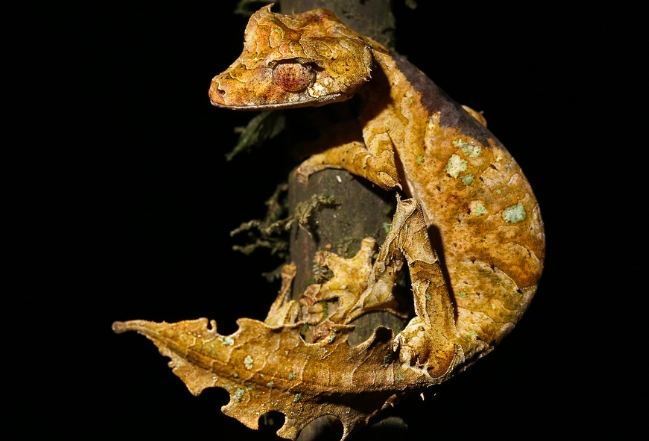
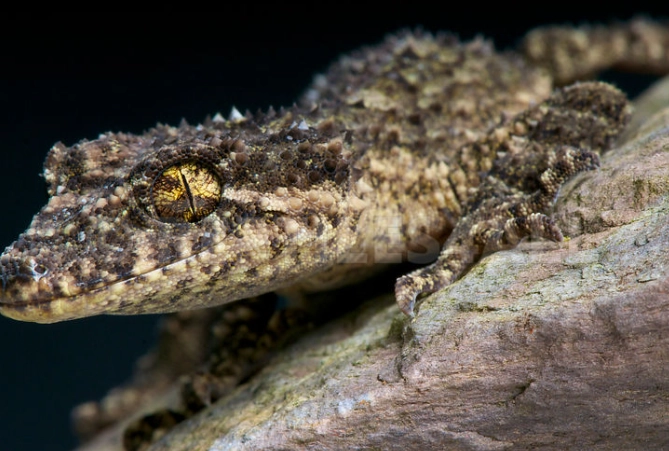
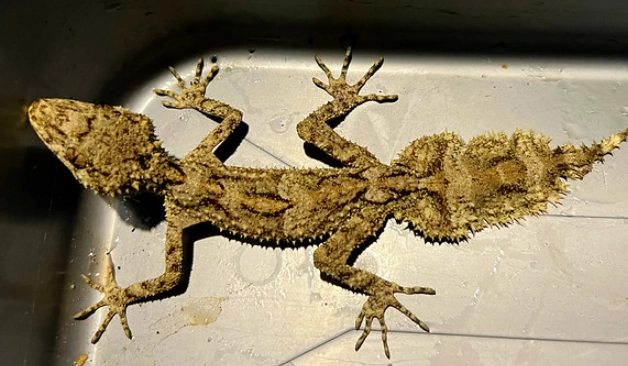
The Sydney leaf-tailed gecko (Phyllurus platurus) is a stunner. Right off the bat, let me say this: if you're into reptiles, this one's a game-changer. It's not just about the looks—though that leaf-shaped tail and bark-like skin are mind-blowing—but about how it survives in the wild and thrives in captivity. I've kept a few over the years, and they never cease to amaze me. Here's the real deal, no fluff. First things first: this gecko is native to eastern Australia, specifically around Sydney and New South Wales. Scientifically called Phyllurus platurus, it's part of the Carphodactylidae family. What sets it apart? That broad, leaf-like tail—it's not for show. In the wild, it helps with balance and camouflage. Adults grow to about 8-10 cm in body length, with the tail adding another 5-7 cm. They're nocturnal, meaning they're active at night, and they've got sticky toe pads for climbing rough surfaces like tree bark. I remember the first time I saw one in the wild. It was on a hiking trip near the Blue Mountains. I almost missed it—blended perfectly into a gum tree. That's the magic. They're not aggressive, but they're shy. If you're thinking of getting one as a pet, know this: they're not for beginners who want a hands-on pet. They stress easily. These geckos stick to coastal forests and woodlands in New South Wales. Think areas with plenty of trees, rocks, and leaf litter. They love humid spots, often near streams or in rainforest edges. Distribution is patchy; you won't find them everywhere. According to the Australian Museum, they're endemic to this region, meaning they're found nowhere else naturally. Climate-wise, they thrive in temperate zones with mild winters. Summers can get warm, but they hide under bark or in crevices during the day. That's key for pet care: mimic this environment. A common mistake? People set up dry terrariums. Big no-no. These guys need moisture. Their camouflage is next-level. The skin has patterns that look exactly like lichen or tree bark. The tail? It's flat and leaf-shaped, often with notches that break up its outline. When threatened, they press against a surface, becoming nearly invisible. I've seen mine do this—it's like they vanish into the background. But here's a nuance most guides miss: it's not just about color. Texture matters. Their skin has tiny ridges that catch light and shadow, enhancing the illusion. In captivity, if you use smooth backgrounds, they might not feel secure. Go for cork bark or natural wood. It makes a difference. If you're keeping one, get ready for some specifics. They're not high-maintenance, but they have needs. Let's break it down. A 20-gallon tank works for one adult. Go vertical—they climb. Substrate? Use coconut fiber or orchid bark. It holds humidity. Decorate with branches, cork tubes, and live plants like pothos. They need hiding spots; I use hollow logs. Lighting: low UVB is okay, but they're nocturnal, so avoid bright lights. A heat mat on one side creates a gradient of 22-28°C (72-82°F). Humidity: aim for 60-80%. Mist daily, but don't soak the substrate. Here's a table to sum it up: They're insectivores. Feed crickets, roaches, or mealworms. Dust with calcium powder twice a week. Juveniles eat daily; adults every other day. Offer food at night when they're active. One tip: gut-load the insects with veggies for better nutrition. I've noticed mine prefer moving prey—so avoid dead insects. Handle minimally. They're not cuddly. When you do, be gentle and support the body. Stress signs include tail dropping (though rare) or hiding for days. If that happens, back off and check the environment. Some individuals tolerate handling better, but don't push it. Health problems often stem from poor care. Here are the big ones: I learned the hard way with my first gecko: I skimped on calcium. It developed soft bones. Took months to recover. Don't make that mistake. Pro tip: Regular weight checks help. Use a small scale monthly. Sudden weight loss can signal illness early. Wrapping up, the Sydney leaf-tailed gecko is a fascinating creature. Whether you're a hobbyist or just curious, understanding its needs is crucial. They're not just pets; they're a glimpse into Australia's unique wildlife. If you're up for the challenge, they're rewarding to keep. But remember: always prioritize their natural behaviors over convenience. Check sources like the IUCN Red List for conservation updates—they're listed as Least Concern, but habitat loss is a threat. Happy herping!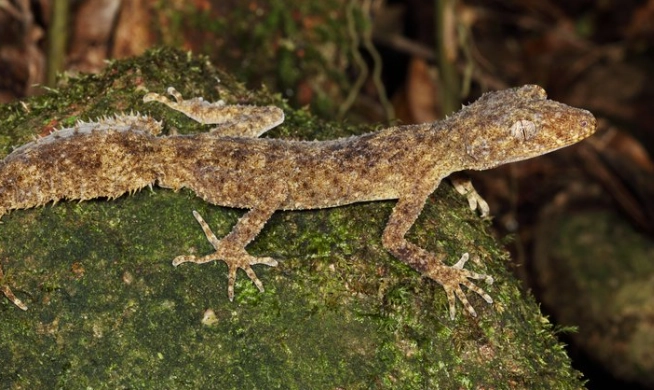
What You'll Discover in This Guide
What is a Sydney Leaf-Tailed Gecko?
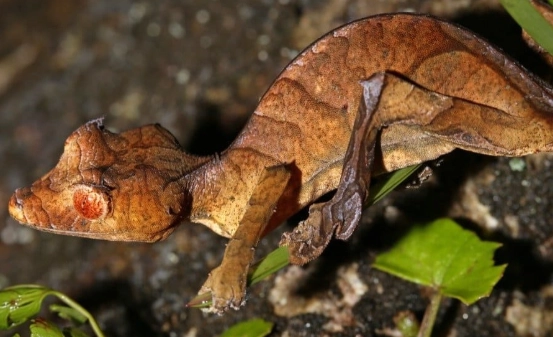
Habitat and Natural Distribution
The Art of Camouflage: How It Blends In
Caring for a Sydney Leaf-Tailed Gecko: A Practical Guide
Setting Up the Perfect Terrarium
Parameter
Ideal Range
Notes
Temperature
22-28°C (72-82°F)
Basking spot up to 30°C (86°F) for a few hours
Humidity
60-80%
Use a hygrometer; mist morning and evening
Substrate
Coconut fiber or bark
Depth of 2-3 inches for burrowing
Lighting
Low UVB or natural light cycle
Avoid direct sunlight to prevent overheating
Enclosure Size
20 gallons minimum
Taller is better for climbing structures
Diet and Feeding Schedule
Handling and Temperament
Common Health Issues and Solutions
Frequently Asked Questions (FAQs)
How do I set up a terrarium for a leaf-tailed gecko to mimic its natural habitat?
Start with a tall enclosure. Use a moisture-retaining substrate like coconut fiber. Add vertical elements: cork bark, branches, and live plants. Maintain humidity with a mister and provide hiding spots. Avoid artificial plants—they don't hold moisture well and can stress the gecko. I've found that a background of natural cork helps them feel secure.
What are the signs of stress in a Sydney leaf-tailed gecko, and how can I reduce it?
Signs include refusing food, excessive hiding, or rapid color changes. To reduce stress, ensure the terrarium is in a quiet area. Limit handling to once a week or less. Check temperature and humidity daily—fluctuations are a common stressor. From my experience, adding more cover like leaf litter can make a huge difference.
Can Sydney leaf-tailed geckos be housed together, or are they solitary?
They're generally solitary. Housing multiple together can lead to aggression or competition for resources. If you must, use a large enclosure with multiple hides and feeding stations, but I don't recommend it. I tried it once, and even with ample space, one gecko dominated the food source. Stick to one per tank for their well-being.
Comment