So, you're curious about basset hound mixes? Let's cut to the chase. These dogs are a fascinating blend of the droopy-eared basset hound and another breed, resulting in pets that can be both incredibly charming and surprisingly stubborn. I've lived with a basset hound mix for over five years, and let me tell you, it's not all lazy lounging—there are nuances most guides miss. In the first 100 words here, the key point is this: basset hound mixes inherit traits from both parents, making them unique companions that require specific care to thrive. A basset hound mix is a cross between a purebred basset hound and another dog breed. Think of it as a genetic cocktail—you get some basset traits like those long ears and a keen nose, mixed with characteristics from the other parent. This isn't just a designer dog trend; mixes often arise from accidental breedings or intentional crosses to combine temperaments. Basset hounds are scent hounds originally bred for hunting small game. They're known for their short legs, loose skin, and melancholic eyes. According to the American Kennel Club, bassets are friendly, patient, and a bit stubborn. When mixed, these traits can be diluted or amplified depending on the other breed. You'll see mixes with breeds like Labrador retrievers, beagles, or even poodles. Each combo brings something different. For example, a basset-lab mix might be more energetic than a pure basset, while a basset-beagle mix could be even more vocal. It's a roll of the dice, but understanding the parent breeds helps predict behavior. Here's a breakdown of popular basset hound mixes. I've met several at local dog parks, and their personalities vary wildly. This table gives a snapshot, but individual dogs differ. My own dog is a basset-spaniel mix, and he's more laid-back than expected—except when he catches a scent. Then he's off, nose to the ground, ignoring commands. That's a classic basset trait shining through. Caring for a basset hound mix isn't rocket science, but many owners slip up on basics. I learned the hard way after my dog gained five pounds in a month. Here's a practical approach. These dogs love food. Basset mixes are prone to obesity, which can exacerbate joint problems. Feed a high-quality, portion-controlled diet. Avoid free-feeding. I use a measuring cup and stick to two meals a day, with treats limited to training rewards. Consult your vet for specific recommendations based on age and activity. Don't assume they're couch potatoes. While basset mixes aren't marathon runners, they need daily walks—about 30 to 45 minutes. Mental stimulation is crucial too. Scent games or puzzle toys work wonders. I've found that a short morning walk and an evening sniffari (letting them explore smells) keeps my dog content. Grooming depends on the coat. Short-haired mixes need weekly brushing; longer-haired ones might require more. Those floppy ears are infection magnets—clean them weekly with a vet-approved solution. I check my dog's ears every Sunday, and it's saved us from multiple vet visits. Pro Tip: Many owners overlook ear care, leading to costly infections. Set a weekly reminder to clean ears, especially after baths or swims. Basset hound mixes inherit health risks from both sides. Common issues include hip dysplasia, ear infections, and obesity. According to veterinary sources like the Merck Veterinary Manual, bassets are predisposed to glaucoma and intervertebral disc disease. In mixes, these risks can be reduced but not eliminated. Here's a quick list: Regular vet check-ups are non-negotiable. I take my dog every six months for a weigh-in and ear check. Exercise and diet control are your best defenses. Also, consider pet insurance—it's saved me thousands when my dog needed surgery for a slipped disc. Training a basset hound mix can feel like negotiating with a toddler. They're smart but stubborn. Most guides gloss over this, but I've seen owners give up too soon. Bassets were bred to work independently, so they don't always obey on command. My dog once sat for a treat, then walked away when I asked for a paw. Consistency is vital. Use positive reinforcement—treats, praise—and keep sessions short, under 10 minutes. Focus on reward-based training. For potty training, take them out frequently and praise successes. For barking, redirect with a toy. I've had success with clicker training for basic commands. Avoid punishment; it just makes them more resistant. One mistake I made: expecting quick results. It took three months to reliably teach "stay." Patience pays off. Deciding if this mix fits your life involves honest assessment. They're great for families with older kids, but their stubbornness might frustrate first-time owners. They adapt to apartments if exercised enough, but a yard is a bonus. Consider your lifestyle. If you're active but not overly so, and can handle some vocalization, a basset mix could be perfect. But if you want a dog that obeys instantly, look elsewhere. I love my dog's quirks, but his howling at sirens drives my neighbors nuts.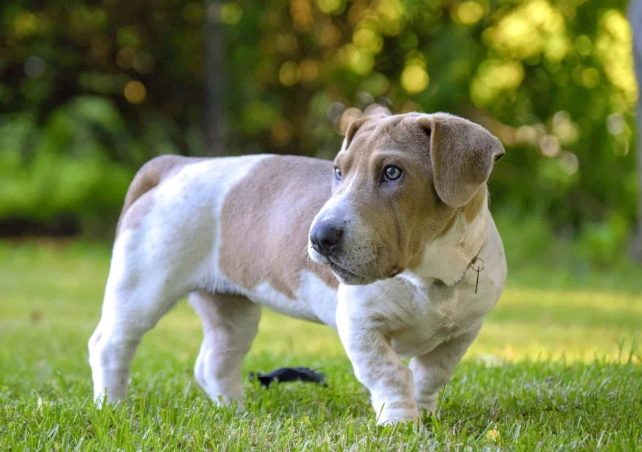
Quick Navigation
What is a Basset Hound Mix?
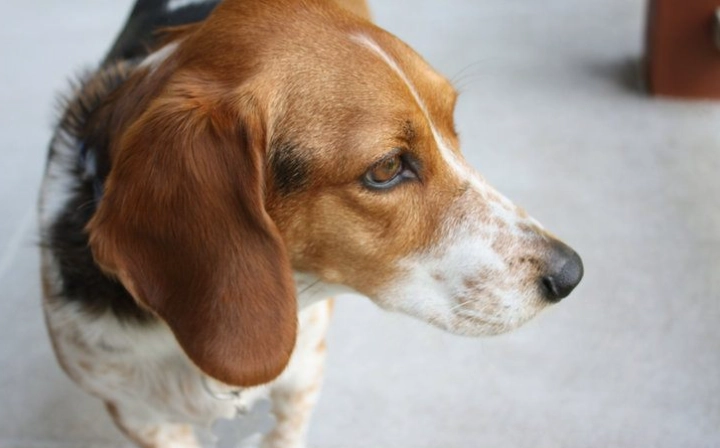
The Basset Hound Heritage
Common Mix Combinations
Common Basset Hound Mix Breeds and Their Traits

Mix Breed
Common Traits
Energy Level
Basset Hound + Labrador
Friendly, food-motivated, prone to obesity
Moderate to High
Basset Hound + Beagle
Vocal, curious, excellent scent trackers
Moderate
Basset Hound + Poodle
Low-shedding, intelligent, can be stubborn
Low to Moderate
Basset Hound + Dachshund
Long-bodied, playful, potential back issues
Low
How to Care for Your Basset Hound Mix
Diet and Nutrition
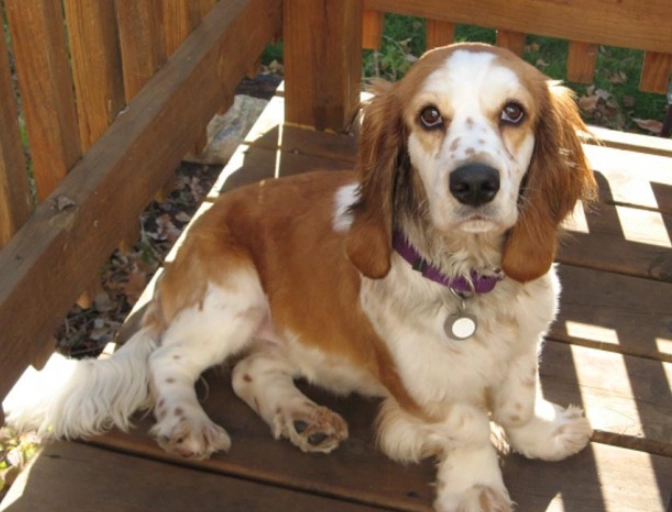
Exercise Needs
Grooming Tips
Health Issues to Watch Out For

Common Problems
Prevention Strategies
Training Challenges and Solutions
The Stubborn Streak
Positive Reinforcement Techniques
Is a Basset Hound Mix Right for You?
Frequently Asked Questions
How much exercise does a basset hound mix really need daily?
Aim for 30 to 45 minutes of moderate activity, split into two sessions. This includes walks and playtime. Over-exercising can strain joints, but under-exercising leads to weight gain. My mix does best with a morning walk and evening fetch in the yard.
What's the most effective way to prevent obesity in a basset hound mix?
Measure food portions strictly and avoid table scraps. Use a kitchen scale for accuracy—cups can be inconsistent. Incorporate low-calorie treats like carrots. Regular weigh-ins at home help catch gains early. I learned this after my dog's vet scolded me for overfeeding.
Can a basset hound mix live happily in an apartment setting?
Yes, if you commit to daily walks and mental stimulation. They're relatively low-energy indoors but need outings to sniff and explore. Noise can be an issue—their barking or howling might disturb neighbors. Training to reduce vocalization is crucial. My friend's mix lives in a city apartment and thrives with routine outings.
Comment