If you've ever seen a flower hat jellyfish (Olindias formosus) pulsing in a tank, you know the hypnotic pull. It's not your average moon jelly. We're talking about a small, vividly colored jelly with a translucent, bell-shaped "hat" and a chaotic, glowing bouquet of tentacles underneath. It looks like something from a sci-fi movie. And that's why so many advanced aquarists get the itch to own one. Let's be honest, most online care sheets make it sound easier than it is. After years of working with delicate planktonic species, I can tell you the biggest mistake is treating them like a standard jellyfish. They're not. This guide is for the dedicated hobbyist ready to move beyond the basics.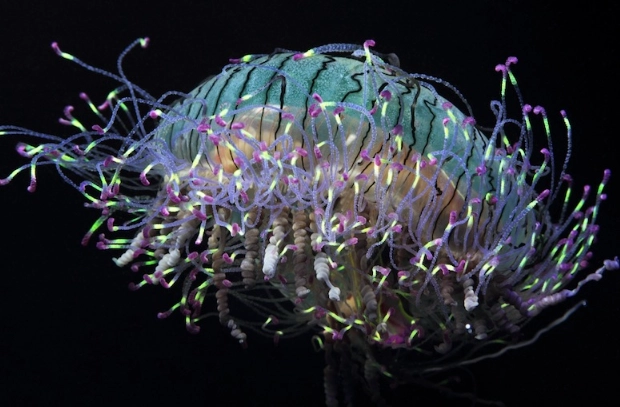
What You'll Find in This Guide
What Makes the Flower Hat Jellyfish So Unique?
First, the basics. The flower hat jellyfish is a small species, with a bell (the "hat") rarely exceeding 6 inches (15 cm) in diameter. It's found in the cool waters off Japan, Argentina, and Brazil. Its Latin name, Olindias formosus, hints at its beauty. The "flower hat" name comes from the dense cluster of sticky, fluorescent tentacles that bunch up underneath it, often in bright pinks, purples, and yellows. Unlike many jellies that just drift, Olindias can be semi-benthic, meaning it often hangs out near the bottom or on structures.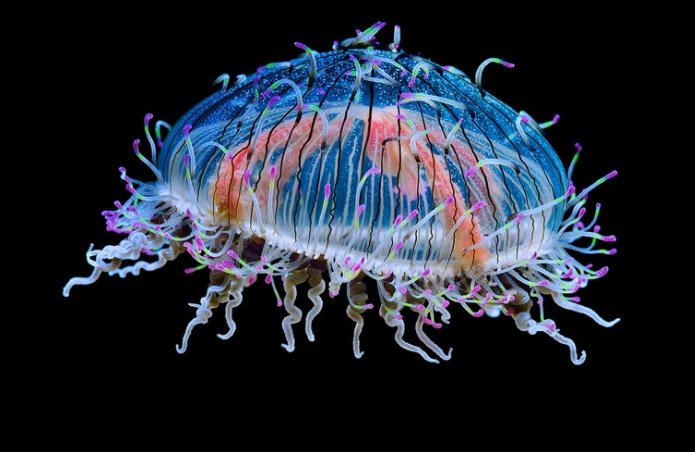
Here's a key detail most sources miss: their bioluminescence isn't just for show. In the wild, that subtle glow might attract tiny prey in dark water. In your tank, it's a sign of health. A stressed or starving flower hat jellyfish will often lose its vibrant color and glow.
A Quick Snapshot: Flower Hat Jellyfish Profile
Scientific Name: Olindias formosus
Common Name: Flower Hat Jellyfish
Max Size: ~6 inches (15 cm)
Temperament: Not a threat to humans, but its sting can irritate sensitive skin. It is a voracious predator of small tank mates.
Key Feature: Dense, multi-colored, sticky tentacle cluster under a translucent bell.
Why Are Flower Hat Jellyfish So Difficult to Keep?
New keepers see the beauty; experienced keepers see the list of problems. This isn't a set-it-and-forget-it pet. Three main issues trip people up.
1. Specialized Water Flow. Jellyfish need a laminar, circular flow to keep them suspended without tearing their delicate tissues. Standard powerheads will shred a flower hat jellyfish in hours. You need a dedicated jellyfish tank with a precisely engineered flow, like a Kreisel or a modified laminar flow tank. The flow pattern for Olindias is even trickier because of their bottom-sitting tendency—too strong, and they get pinned; too weak, and they settle and risk tissue damage from the substrate.
2. Temperature Sensitivity. They come from cooler waters. Your tropical reef tank at 78°F (25.5°C) is a death sentence. The optimal range is narrow: 59-68°F (15-20°C). This means you need a reliable chiller, not just a fan. Temperature fluctuations are a major cause of rapid decline.
3. The Feeding Problem. This is the deal-breaker. Flower hat jellyfish are active, visual predators of small live foods. They don't passively filter feed like some species. If the food isn't moving and isn't the right size, they often ignore it. Maintaining a constant, clean supply of live baby brine shrimp, copepods, or similar plankton is a daily logistics challenge.
How to Set Up the Perfect Flower Hat Jellyfish Tank
Getting the environment right is 80% of the battle. Here’s a step-by-step breakdown, skipping the generic advice.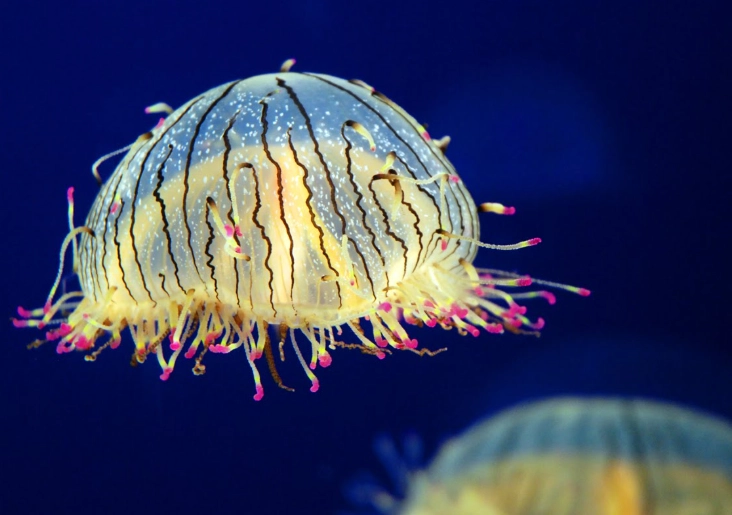
Choosing and Cycling the Tank
Forget standard aquariums. You need a purpose-built jellyfish aquarium kit from a reputable brand. Brands like Jellyfish Art or Cubic offer tanks with the correct filtration and flow. A 5 to 10-gallon dedicated system is the minimum for one jelly. The cycling process is critical—use live rock or a mature filter sponge from an established system to speed it up. Your target parameters aren't up for debate:
| Parameter | Ideal Range | Why It Matters |
|---|---|---|
| Temperature | 59-68°F (15-20°C) | Metabolic rate and overall health. Must be stable. |
| Salinity | 1.023-1.025 SG | Osmotic balance. Use a refractometer, not a hydrometer. |
| pH | 8.0-8.4 | Critical for biological filtration and animal physiology. |
| Ammonia/Nitrite | 0 ppm | Any detectable level is toxic and will cause rapid tissue necrosis. |
| Nitrate | Keep as low as possible. Jellies are very sensitive. |
Water Flow and Scaping
Follow the manufacturer's instructions for the tank's flow pump. The goal is a gentle, uninterrupted vortex that keeps the jellyfish moving smoothly in the viewing area. For decor, use absolutely nothing with sharp edges. Smooth, large-grain sand or a bare bottom is best. Any rockwork must be silicone-smooth and placed well away from the flow path. I've seen a flower hat jellyfish get a tiny tear from brushing against a seemingly smooth piece of acrylic—it never healed.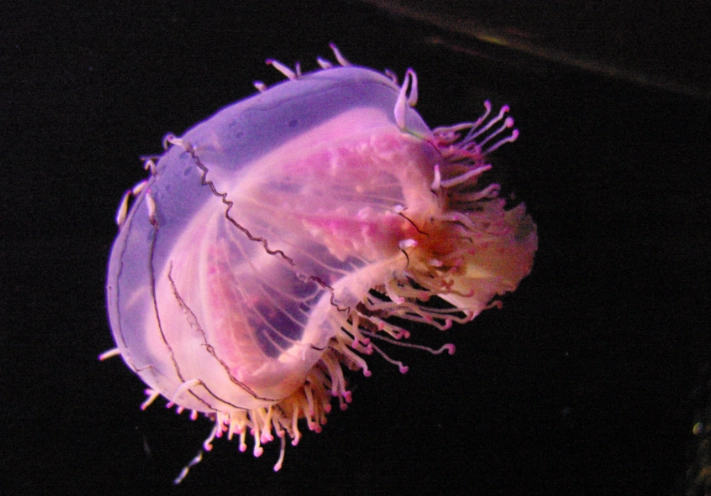
The Biggest Hurdle: Feeding Olindias formosus
This is where most attempts fail. You can't just pour in powdered food.
Their primary diet should be live, nutritionally enriched prey. Newly hatched baby brine shrimp (Artemia nauplii) are the staple. But you must enrich them with a product like Selco or live phytoplankton for 12-24 hours before feeding to boost their nutritional value. Simply hatching and feeding "empty" brine shrimp leads to slow malnutrition.
Feeding Routine: Feed small amounts 2-3 times daily. Watch the jellyfish. You should see the tentacles capture the prey and transfer it to the oral arms. Any uneaten food must be removed within 30-60 minutes to avoid fouling the pristine water. This means a dedicated turkey baster or siphon is part of your feeding kit.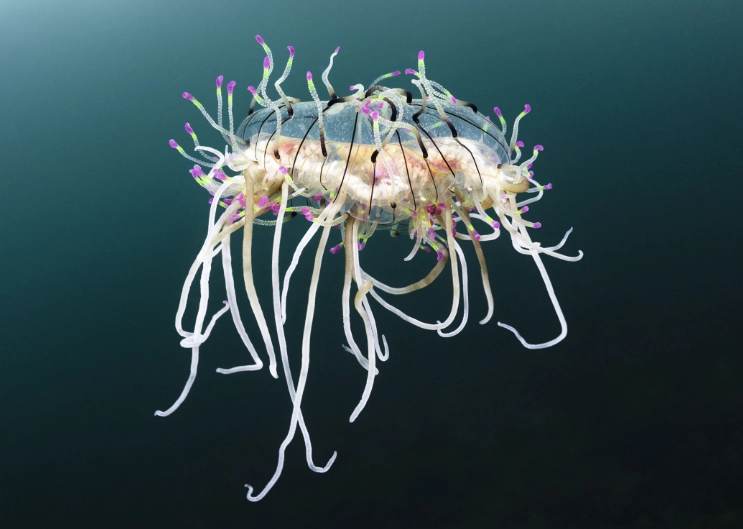
Advanced keepers cultivate live copepods (like Tisbe or Tigriopus) in a separate culture system as a more natural and varied food source. It's more work, but it makes a visible difference in longevity and coloration.
Daily and Weekly Maintenance You Can't Skip
Consistency is non-negotiable. Here's what that looks like.
Daily: Check temperature (morning and evening). Feed 2-3 times, removing leftovers promptly. Visually inspect the jellyfish for any nicks, tears, or irregular pulsing. A shrunken bell or limp tentacles are red flags.
Weekly: Test all key water parameters (Ammonia, Nitrite, Nitrate, pH, Salinity). Perform a 10-20% water change using pre-mixed, chilled saltwater that matches the tank's temperature and salinity exactly. Clean the tank's intake screens or filter sponges in the removed tank water to preserve beneficial bacteria.
The most common maintenance mistake? Letting nitrates creep up because "it's only 20 ppm." For flower hat jellies, that's high. Diligent water changes are your best tool.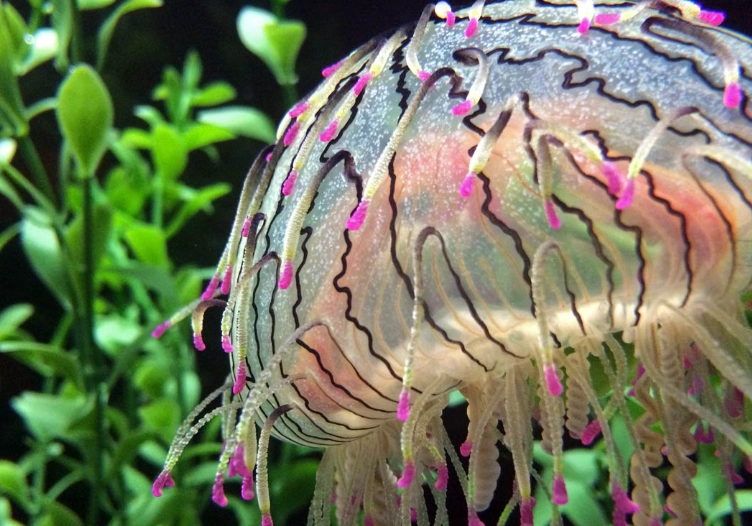




Comments
Leave a Comment