You're scrolling online and you see it: a dog that makes you do a double-take. Maybe it's hairless, or has a face that looks permanently surprised, or legs so short they seem like an afterthought. Your first thought might be "What on earth is that?" followed quickly by a strange sense of affection. Weird looking dogs have a way of capturing our attention and, often, our hearts. But their unusual appearances aren't random. Every wrinkle, hair pattern, and bizarre proportion is a story written in genetics, shaped by history, and often tied to a specific purpose. This isn't just about listing odd dogs—it's about understanding them. Let's look past the initial surprise and dive into the fascinating reasons behind their looks, the breeds that wear them best, and what it really takes to care for a canine that breaks the mold.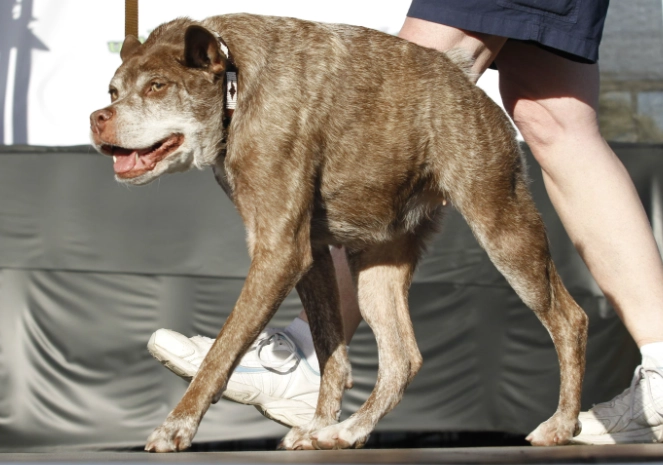
Quick Guide: What's Inside
What Makes a Dog Look 'Weird'?
"Weird" is subjective, of course. But in the dog world, certain physical traits consistently stand out as unusual to the human eye. These features usually fall into one of three categories.
Genetic Rollercoasters. Sometimes, a single gene mutation takes center stage. The hairlessness in breeds like the Chinese Crested or Xoloitzcuintli is caused by a dominant gene variant. Carrying one copy gives you the classic "hairless with tufts" look; carrying two is lethal for the embryo. It's a genetic balancing act that results in a truly unique dog. Other times, it's a combination of traits—short legs (chondrodysplasia) paired with a long body (like in Dachshunds and Corgis)—that creates a silhouette we don't expect in a canine.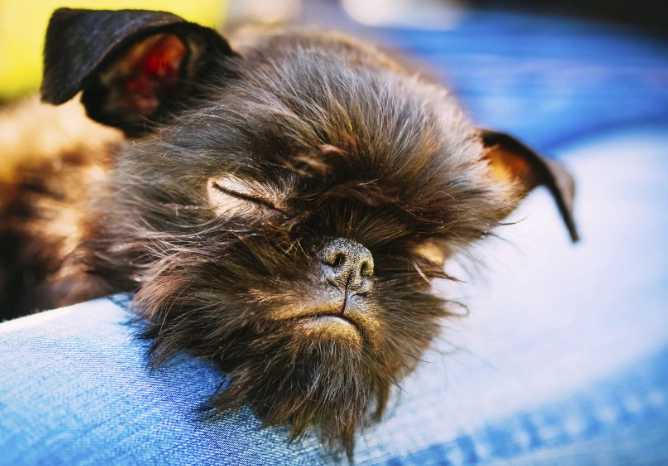
Function Over Form. This is where human intention comes in. Many "weird" features were meticulously bred for a job. Those deep, saggy wrinkles on a Neapolitan Mastiff or a Shar-Pei? They weren't for cuteness. They provided extra loose skin so the dog could still turn and fight if grabbed by a wild animal or an opponent in the fighting pit (a dark part of the Shar-Pei's history). The Bergamasco Shepherd's felted cords protect it from wolf bites and extreme mountain weather. The bizarre, otter-like tail of the Puli acts as a buoyancy aid in water. When you look at it through a functional lens, the weirdness starts to make perfect sense.
The Hand of Human Whim. Then there are features amplified purely for show ring appeal, sometimes drifting far from the breed's original function. The extremely short muzzle (brachycephaly) in breeds like the Pug or Brussels Griffon is the prime example. While a moderately shortened face might have been initially appealing, extreme selective breeding for a flatter face has led to the well-documented health issues we see today. This is where "weird looking" intersects with a serious conversation about responsible breeding practices.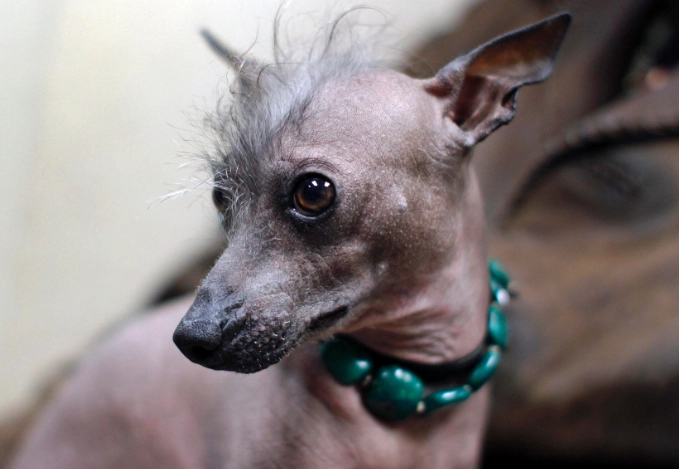
A Quick Thought: Calling these dogs "ugly" misses the point entirely. That label is based on a human-centric idea of canine beauty, often tied to wolves or "normal" pet dogs. Their looks are a direct map of their history—a history of survival, work, and coexistence with humans. The Peruvian Inca Orchid's bare skin helped it regulate temperature in ancient Peruvian climates. The low-slung body of a Basset Hound gave it stamina and a superior nose-to-the-ground tracking ability. There's intelligence in that weirdness.
Spotlight on 3 Remarkably Weird Looking Dog Breeds
Let's get specific. Here are three breeds that perfectly illustrate the different origins of unusual canine aesthetics.
1. The Chinese Crested: The Genetic Enigma
Perhaps the poster child for weird looking dogs. The Hairless variety, with its soft, bare skin, spiky "crest" of hair on the head, feathery socks ("boots"), and a plumed tail, looks like it walked out of a fantasy novel. The Powderpuff variety, born in the same litter, is completely covered in a soft, double coat. This duality is the weird part.
**Beyond the Look:** Caring for a Hairless Crested is nothing like caring for a coated dog. It's more like having a tiny, cheerful hippopotamus. Their skin needs regular maintenance: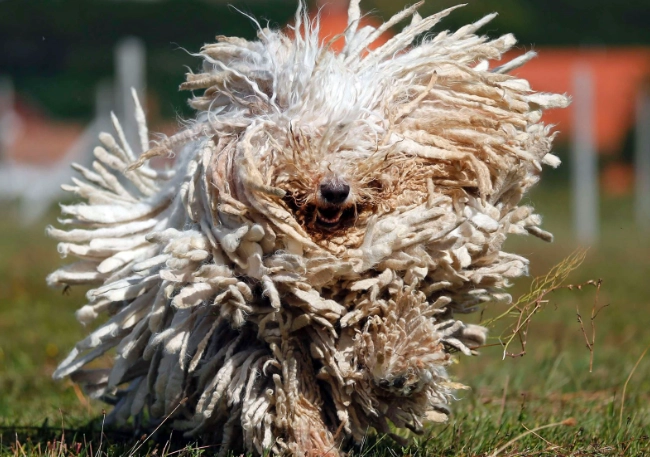
- Sunblock is non-negotiable. They sunburn easily. A dog-safe SPF 30 or higher must be applied before any outdoor time in the sun. I've seen Cresteds get painful burns from just 20 minutes in the backyard.
- Moisturizer, not lotion. Their skin can get dry and acne-prone. A light, non-comedogenic, dog-safe moisturizing cream helps. Avoid heavy, perfumed human lotions.
- Clothing for weather. They get cold. A simple cotton shirt in cool air, a proper coat in winter. It's essential, not a fashion statement.
The common myth is that they're "hypoallergenic." While they don't shed hair, people can still be allergic to their dander (skin flakes) or saliva. It's a crucial distinction for allergy sufferers.
2. The Bedlington Terrier: The Functional Disguise
At first glance, you might mistake it for a lamb. Its pear-shaped head, arched back, and curly, linty coat are utterly unique. But this was no accident. Bred in England to hunt vermin and small game, its coat was designed to protect it from bites and the elements, while the light-colored, woolly texture helped it blend in with rocky terrain and sheep flocks—the perfect disguise for a stealthy hunter.
**The Grooming Reality:** That lamb-like look requires serious scissor work every 6-8 weeks. It's not a trim; it's a specific breed clip that shapes the distinctive head and silhouette. Most owners use a professional groomer familiar with the breed standard. The coat also tends to pick up dirt and can discolor, especially around the mouth and eyes, requiring regular cleaning.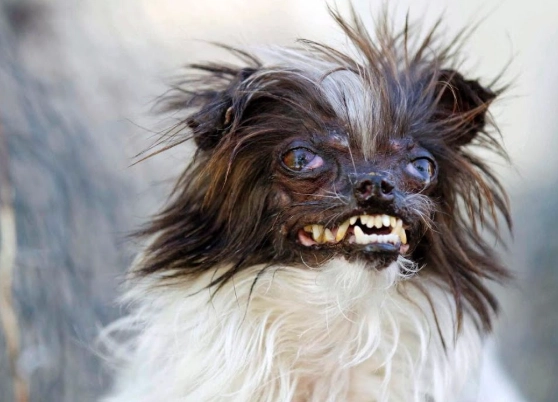
3. The Brussels Griffon: The Whimsical Expression
With its large, human-like eyes, pushed-in nose, and pronounced underbite, the Brussels Griffon has a face full of personality—some say it looks like a wise old man or an Ewok. This exaggerated expression is largely a result of selective breeding for companionship in 19th-century Brussels.
**The Health Conversation:** This is where the "weird look" comes with a health manual. That adorable flat face means they are a brachycephalic breed.
- They often snore, snort, and can have difficulty breathing (Brachycephalic Obstructive Airway Syndrome or BOAS), especially in heat or during excitement.
- Their prominent eyes are more prone to injury and conditions like dry eye.
- The underbite can lead to dental issues, requiring more frequent teeth cleaning.
Choosing a Brussels Griffon means committing to finding a breeder who prioritizes health—selecting for longer muzzles and wider nostrils—over an extremely flat face. According to a study in the journal Veterinary Record, dogs with more extreme brachycephaly have significantly higher risks of respiratory distress.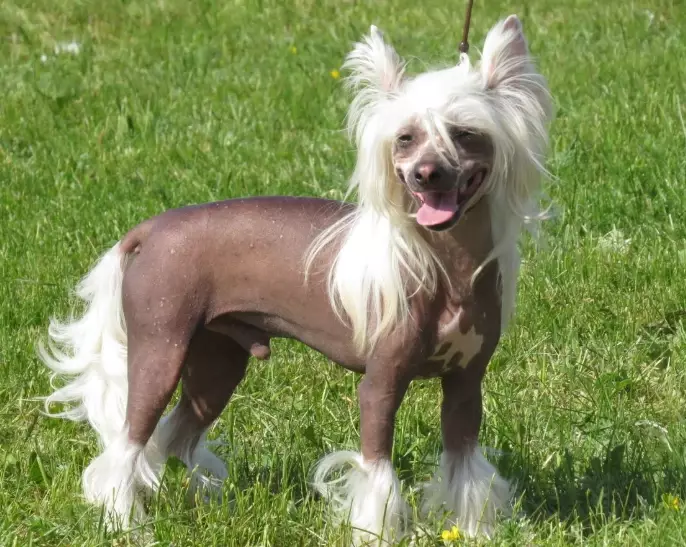
| Breed | Key 'Weird' Feature | Primary Origin | Key Care Consideration |
|---|---|---|---|
| Chinese Crested | Hairlessness, tufted hair | Genetic mutation | Skin protection (sunblock, moisturizer) |
| Bedlington Terrier | Lamb-like pear head & coat | Functional adaptation (camouflage) | Professional breed-specific grooming |
| Brussels Griffon | Extreme brachycephalic face | Selective breeding for expression | Respiratory & eye health monitoring |
Living with a Weird Looking Dog: Health and Care Considerations
Bringing home a dog with an unusual physique means adapting your care routine. It's not harder, just different. Ignoring these differences is where many new owners stumble.
Skin and Coat Care is Paramount. For hairless breeds, it's a skincare routine. For corded breeds like the Puli or Komondor, it's about maintaining the cords to prevent matting and odor (they are not meant to be brushed out). For wrinkled breeds like the Shar-Pei, you must clean between the folds regularly to prevent painful skin infections (pyoderma). A friend learned this the hard way with her Shar-Pei; a missed weekly fold-cleaning led to a smelly, itchy infection that needed antibiotics.
Temperature Sensitivity is Real. Hairless dogs get cold. Brachycephalic dogs overheat dangerously fast because they can't pant efficiently. A Bulldog or Pug on a warm day is a veterinary emergency waiting to happen. Exercise must be moderate and during cooler parts of the day. Always have water and a plan to cool them down. I never walk my friend's Pug if it's above 75°F (24°C); we do indoor play instead.
Find a Vet Who 'Gets It'. Not all vets have deep experience with every unusual breed. Seek out a veterinarian who understands the specific challenges of brachycephalic breeds, knows how to handle a dog with delicate skin, or is familiar with the potential skeletal issues of dwarf breeds. It makes all the difference in proactive care.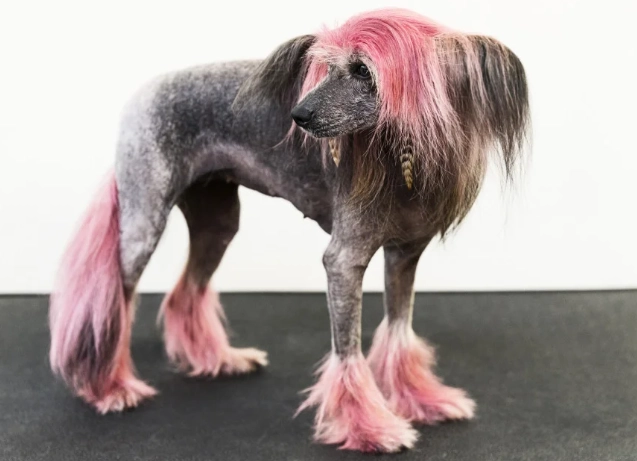
Your Questions on Unusual Dogs Answered
At the end of the day, weird looking dogs challenge our standard ideas of what a dog should be. They remind us that canine beauty is incredibly diverse and deeply tied to story and function. Their uniqueness demands a more attentive, informed kind of love. It's about seeing the history in the wrinkles, the purpose in the proportions, and committing to care for the whole dog—not just the fascinating exterior. That's when the real magic happens, and the "weird" dog simply becomes your wonderful, irreplaceable friend.



Comments
Leave a Comment