I was poking around a tide pool in central California, the kind of place where you expect to see little hermit crabs and maybe a starfish or two. Then I saw it—a massive, lumpy, brownish-purple blob nestled in the seaweed. It was easily the size of my hand, moving with a slow, deliberate grace. My first thought wasn't "sea slug." It was, "What on earth is that?" That was my introduction to the creature often called the sea elephant mollusk, and it completely changed how I look at tide pools.
If you're searching for "sea elephant mollusk," you've probably seen one of these fascinating animals or heard about them. The name itself is a bit of a puzzle. It's not an elephant, and it's not a typical mollusk like a clam. It's a giant sea hare, a type of marine gastropod that earns its nickname from the two large rhinophores (sensory tentacles) on its head that can resemble an elephant's trunk. This guide is everything I wish I'd known before that first encounter.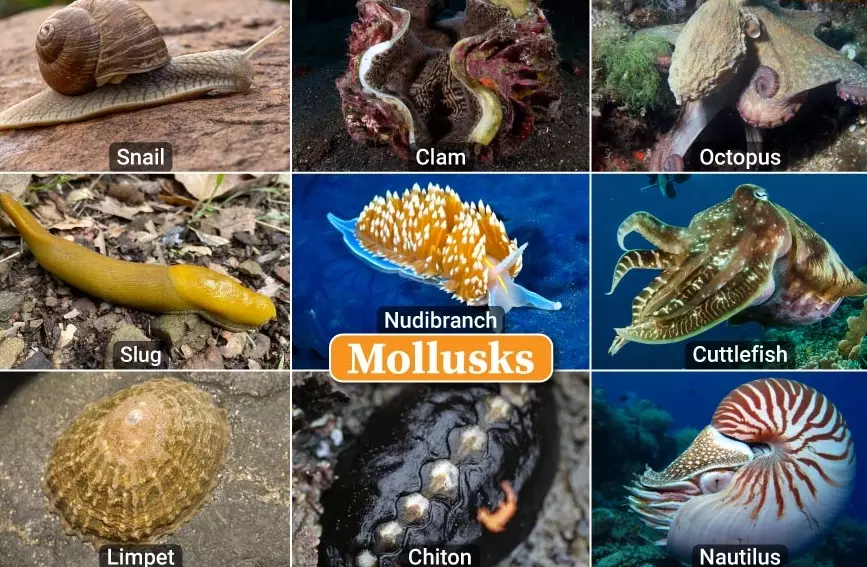
What's Inside This Guide
What Exactly is a Sea Elephant Mollusk? Clearing Up the Confusion
Let's get the terminology straight, because this is where most online info gets fuzzy. Scientifically, the animals commonly called "sea elephant mollusks" belong to the genus Aplysia. They are sea hares. The "mollusk" part is their phylum (Mollusca), and the "sea elephant" is a common name referencing their appearance.
Think of them as the overgrown, gentle cousins of the colorful nudibranchs. While nudibranchs are often flashy and toxic, sea hares like the sea elephant mollusk are masters of camouflage, blending into the algae they eat.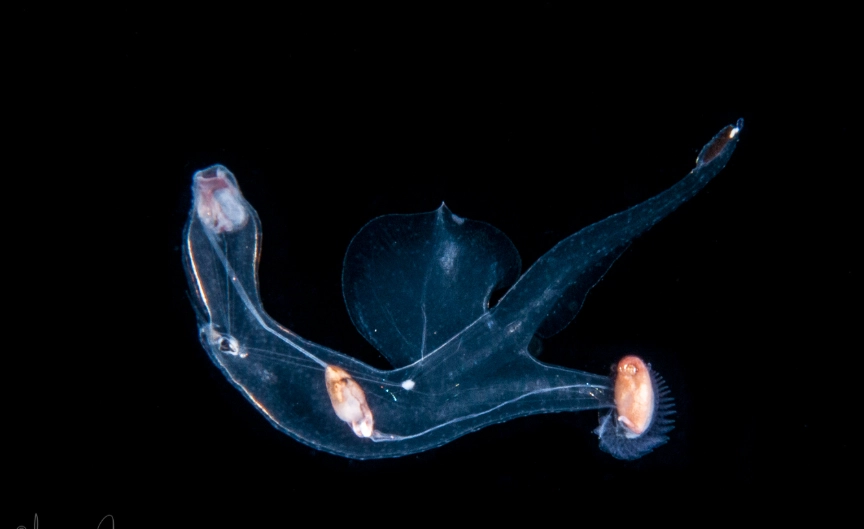
Key Identifiers of a Sea Elephant Mollusk (Sea Hare)
The "Trunk": Look for two large, rolled rhinophores on the head. This is the "elephant" feature.
Size: They can get big. Some species, like Aplysia vaccaria, can grow over 30 inches long and weigh over 30 pounds—truly a giant.
Color: Usually mottled brown, green, red, or black, depending on their diet of specific algae.
Movement: A slow, undulating crawl using a broad muscular foot.
Defense: When seriously threatened, they can release a cloud of purple ink (a mix of pigment and opaline) to confuse predators.
One non-consensus point I'll make here: many guides say the ink is harmless. While it's not lethal to humans, getting it on your hands and then touching your eyes or mouth is a bad idea. It's a sign the animal is extremely stressed. If you see one ink, you're too close. Back off.
How to Find Sea Elephant Mollusks in the Wild
You can't just go to any beach and find one. They have specific needs. They're herbivores, vacuuming up specific types of algae like a living lawnmower. Your hunt needs to start with their food.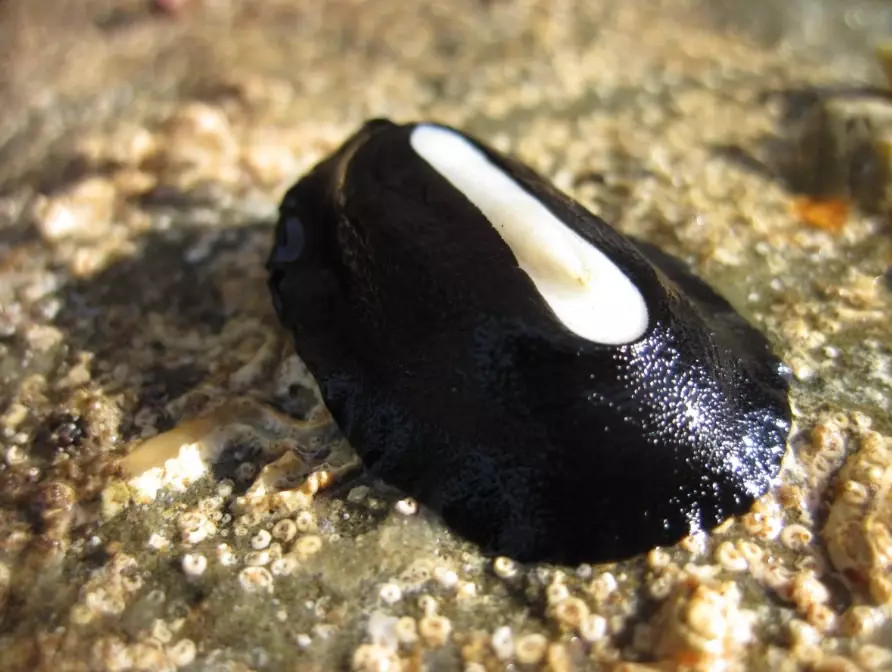
Prime Locations and Timing
In the Pacific Northwest and California, they're relatively common. I've had the most consistent luck in protected marine reserves with rich algal growth. Places like the tide pools at Fitzgerald Marine Reserve in Moss Beach, CA, or certain coves around Monterey Bay can be productive. They are less common in sandy or high-surf areas.
Timing is everything. Go during a low tide, preferably a negative tide (check local tide charts). Early morning low tides are often best, as the pools haven't been warmed by the sun all day. Seasonally, late spring through early fall seems to be when they're most active and visible in intertidal zones.
Here’s a simple checklist for your search:
Look in shallow, rocky tide pools with plenty of green hair algae or red seaweed.
Check under ledges and in shaded crevices—they avoid direct, hot sun.
Move slowly and let your eyes adjust. They are camouflage experts. That "rock" might be breathing.
Listen. Seriously. Sometimes you can hear the rasping sound of their radula (a tongue-like organ) scraping algae off the rocks before you see them.
The Right Way to Observe Them: A Responsible Guide
This is the most important section. The rise of social media has led to more people handling tide pool creatures for photos, and it's devastatingly harmful. Sea hares have delicate skin and a simple nervous system. Our actions have big consequences.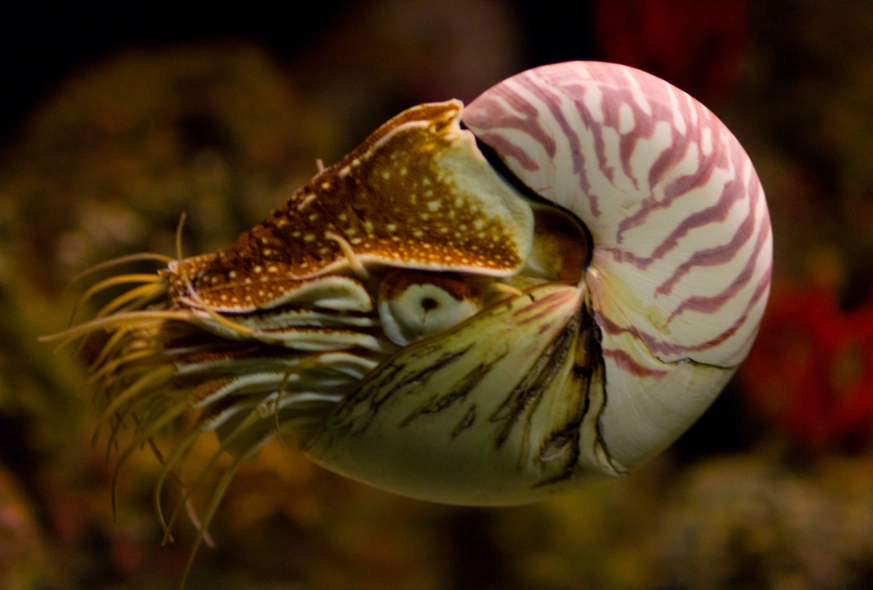
The Golden Rule: Look, don't touch. I can't stress this enough. The oils, salts, and sunscreen on human hands disrupt their osmotic balance and can damage their tissue. Picking them up can cause internal injury. You wouldn't want a giant picking you up and squeezing you, right?
Your Tide Pool Ethics Kit
What should you actually do?
Wear shoes with good grip (like water shoes or old sneakers) to avoid slipping and accidentally crushing something.
Kneel on bare rock or use a knee pad instead of reaching in and disturbing the water.
Gently lift seaweed with one finger for a peek underneath, then replace it exactly as you found it. That seaweed is someone's home and food.
If you move a rock to look under it, always put it back in the exact same position. Creatures are living on and under it.
Take only photos, leave only footprints. This old adage is perfect for tide pooling.
A common mistake I see: people pour fresh water from their bottles on creatures they think are "stuck." Never do this. Fresh water is a shock to their system. Use only seawater from the pool itself if you must (and usually, you don't need to).
Pro Tips & My Personal Stories from the Tide Pools
After years of looking, you start to notice patterns. Here’s the stuff that’s not in the field guides.
I once spent 45 minutes watching a large sea elephant mollusk (an Aplysia californica, I believe) methodically clean a patch of rock. It moved in a perfect, slow spiral, leaving a clean trail behind it. It was meditative. I realized they are not just eating; they are shaping their micro-environment, making it easier to graze later. This kind of observation beats any quick snapshot.
Another time, I saw a group of three smaller ones clustered together. This is often a sign of mating. Sea hares are hermaphrodites and can form mating chains. It's a fascinating behavior, but again, observe from a distance. Flash photography or poking will break up this delicate process.
My biggest tip for photographers: Get low. Shoot at water level. This perspective shows the animal in its world, with light refracting through the water, rather than a top-down "specimen" shot. It tells a story. And for heaven's sake, turn off the flash.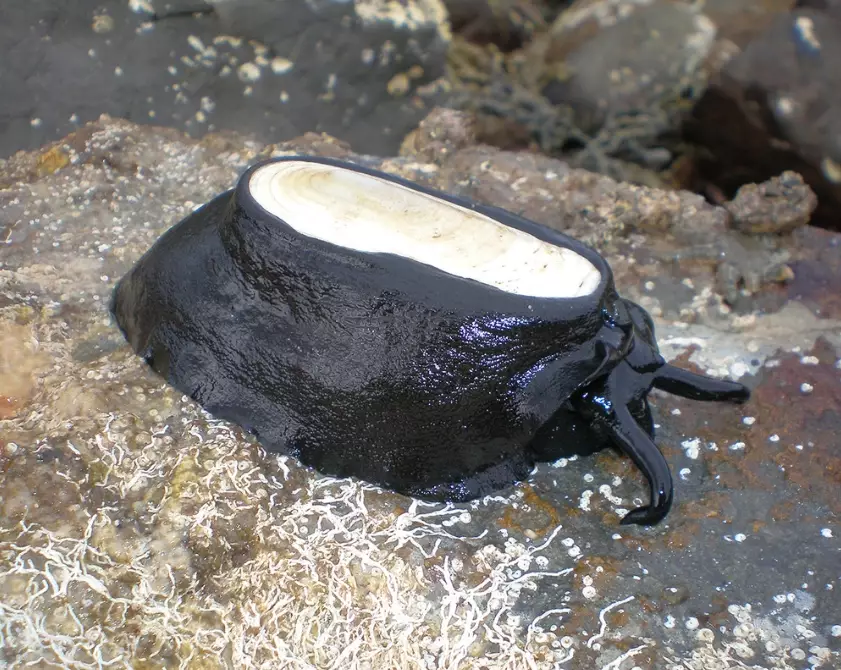
Your Questions, Answered (The Nitty-Gritty)
Is it safe to touch a sea elephant mollusk?
No, you should never touch a sea elephant mollusk (sea hare). Their skin is delicate and can be damaged by the oils, salts, or sunscreen on human hands. More importantly, many species release a toxic purple ink as a defense mechanism when stressed, which can be harmful to you and is certainly stressful for the animal. The best practice is observation from a respectful distance.
What should I do if I find a sea elephant mollusk out of water?
If you find one stranded on a rock above the receding tide, it's often just waiting for the next high tide. Gently pouring a small amount of cool seawater over it can help prevent desiccation, but do not move it. Moving it can separate it from its food source or expose it to predators. If it's in immediate danger (like a hot, dry surface in direct sun), you might very carefully move it to the nearest shaded, damp tide pool, but this is a last resort. The rule is: observe first, intervene minimally.
How can I photograph sea elephant mollusks without harming them?
Use a camera with a good zoom lens or macro setting. This allows you to capture detail without getting too close. Avoid using flash photography directly on the animal, as it can startle them and disrupt their natural behavior. The goal is to be an invisible observer. Frame your shot to include their environment—the algae-covered rock, the pool of water—to tell a better story than a simple close-up.
Are sea elephant mollusks related to the elephants on land?
Not at all. This is a classic case of a common name based on a superficial resemblance. The "trunk" (rhinophores) is used for smelling chemical cues in the water to find food and mates, not for grasping. They are marine invertebrates, while elephants are terrestrial mammals. The shared name is just a handy, if misleading, description of their most prominent feature.
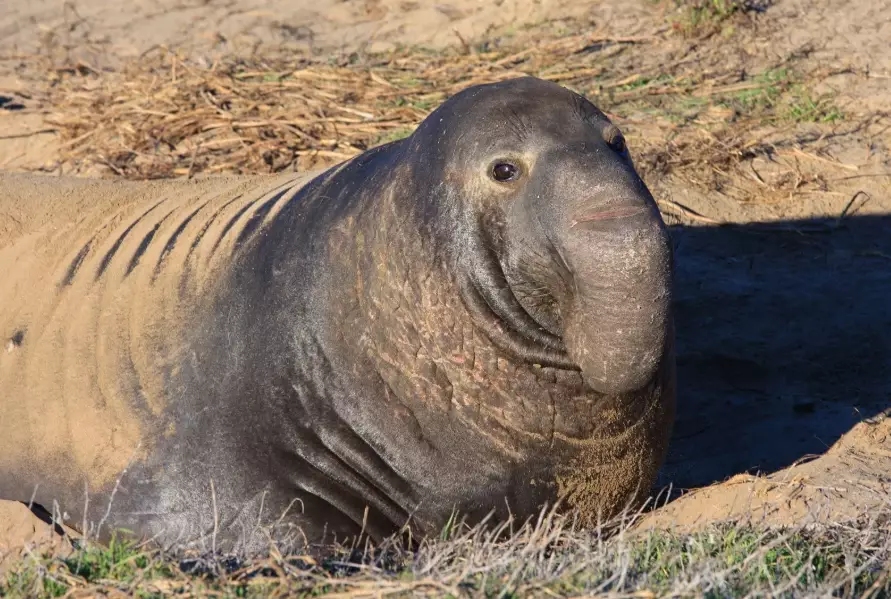 Finding a sea elephant mollusk is a special moment. It's a glimpse into a slow, ancient, and incredibly adapted way of life. By understanding what they are, where they live, and how to interact with them ethically, you become more than just a visitor to the tide pool. You become a witness, and hopefully, a guardian of these gentle, fascinating giants. Now go check the tide charts—your next adventure is waiting.



Comments
Leave a Comment