You've probably seen the headlines or the forum posts: "Giant woolly rat discovered in lost volcano crater." The images are grainy, the descriptions thrilling. A cat-sized rodent, unknown to science, lurking in the remote jungles of Papua New Guinea's Mount Bosavi. It's a fantastic story. But here's the thing I've learned after years poking around the edges of cryptozoology and real-world zoology—the line between a genuine mystery and a digital myth is thinner than you think.
Let's be clear from the start. There is no formally described, museum-held specimen labeled "Bosavi woolly rat" (Mallomys sp. or otherwise). The legend is a tangled knot of real scientific discovery, miscommunication, and the internet's love for a good monster tale. The core of the story often points back to the BBC's fantastic 2009 documentary "Lost Land of the Volcano," which did document amazing new species in the Bosavi crater. But the star was the Bosavi silky cuscus, a beautiful possum, not a rat. Somewhere in the retelling, a "woolly" possum became a "woolly rat," and a modern cryptid was born.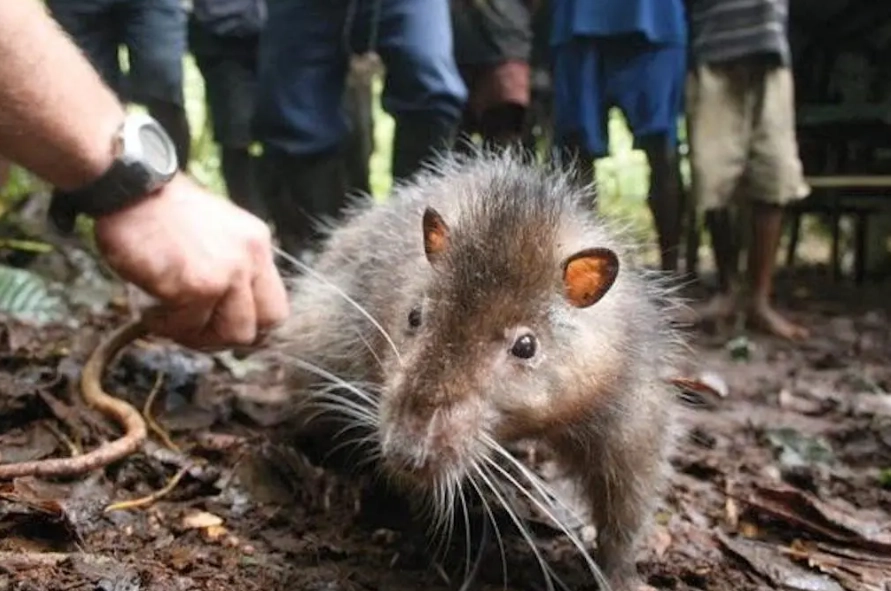
So why bother talking about it? Because the quest for the Bosavi rat is more revealing than the creature itself. It forces us to ask how discoveries are really made, what remote jungles still hide, and what it actually takes to go looking. I once spent three weeks in a similarly remote valley, not for a rat, but for a reported bird of paradise. We found it, but the process—the planning, the failures, the moments of sheer luck—that's the real story.
What You'll Find Inside
Where the Bosavi Rat Legend Really Started
It all hinges on 2009. A team of scientists and filmmakers, coordinated by the BBC and including researchers from the University of Oxford, dropped into the extinct crater of Mount Bosavi. Isolated for nearly 100,000 years, the crater is a biodiversity hotspot. Their findings were staggering: dozens of new species, from frogs to a fanged frog, and that stunning silky cuscus.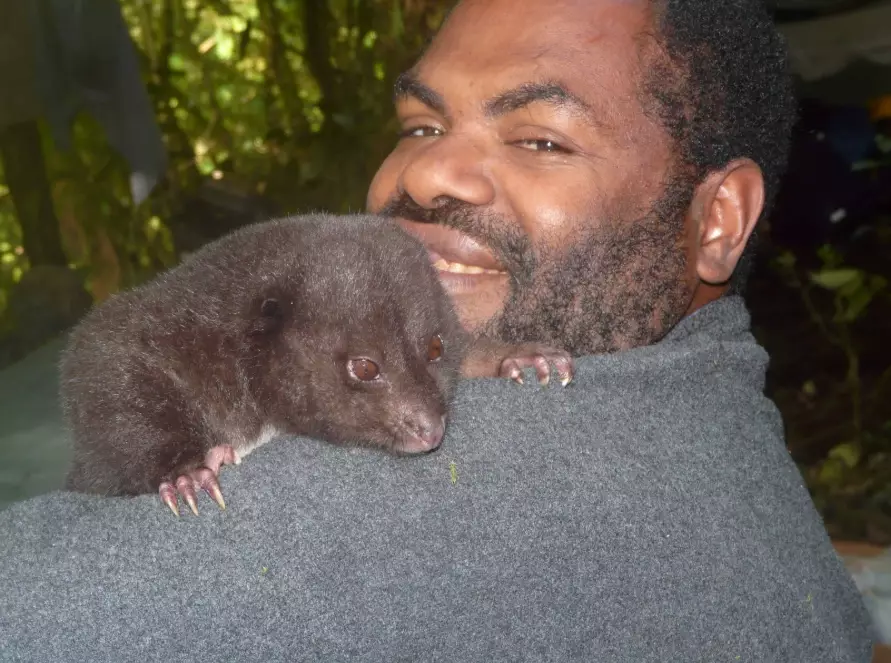
The media coverage was intense. "Lost world" found. "New species" discovered. In the blur, details got fuzzy. A large, unknown mammal that was "woolly"? Must be a rat. Online forums and cryptozoology sites, always hungry for the next big thing, ran with it. The "Bosavi woolly rat" was christened, often accompanied by repurposed photos of other large rodents from different continents.
A Quick Reality Check
The scientific team, including mammalogist Dr. Kris Helgen (then with the Smithsonian), never claimed to find a new giant rat in that crater. Their published work and the documentary focus on the cuscus and other confirmed finds. The rat is a phantom of the information age. This isn't to say the region can't hold surprises—it absolutely can—but crediting the wrong source undermines real science.
This pattern isn't new. The same thing happened with the "Burrunjor" in Australia or the "Orang Pendek" in Sumatra before more rigorous study. A kernel of local report gets amplified online, detached from its origin, and becomes a standalone entity. The Bosavi rat's origin is less in the jungle and more in the gap between a documentary soundbite and a Reddit thread.
How to Plan a (Real) Bosavi Rat Expedition
Let's say you're undeterred. You think, "Maybe they missed it. I want to look." Good. This is where we move from myth to method. Planning a search for an unconfirmed animal in Papua New Guinea isn't a weekend camping trip. It's a complex logistical operation. I'll walk you through a hypothetical, but realistic, 14-day expedition plan based on standard field biology protocols.
The Pre-Trip Foundation (Months 1-3):
First, permits. You can't just fly to Port Moresby and trek into the highlands. You need a research visa and specific permits from the Papua New Guinea Department of Environment and Conservation. This requires a formal proposal. Partnering with a local institution, like the University of Papua New Guinea or the PNG Institute of Biological Research, isn't just helpful; it's often essential for approval.
Second, local guides. You must hire guides from communities near the search area. Not just for their knowledge of the terrain, but for cultural access and safety. A good guide service in the Southern Highlands might cost $150-$250 per day per guide, and you'll need at least two. They negotiate land access, which is community-owned.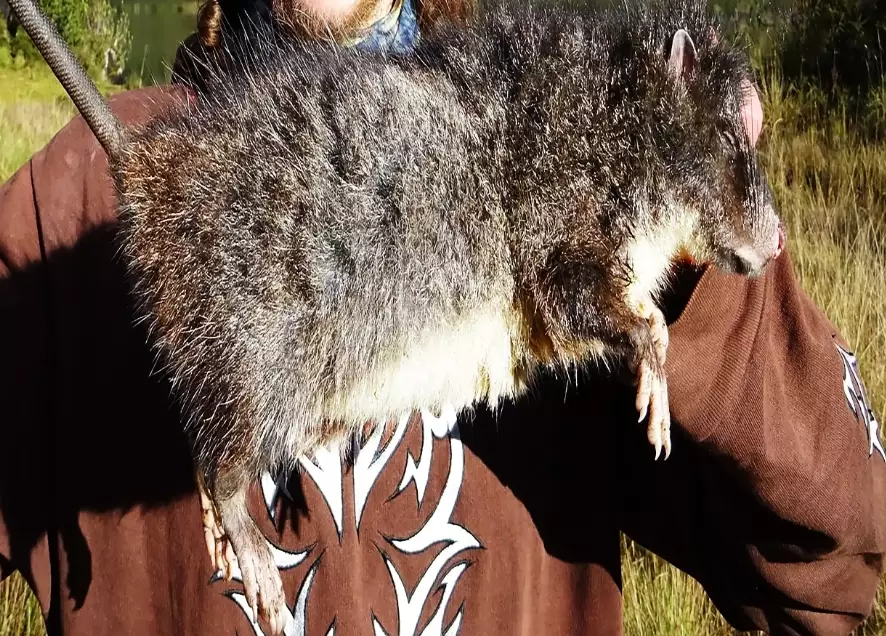
The Gear List (The Non-Negotiables):
Forget machetes and pith helmets. Your success hinges on technology and documentation.
- Camera Traps: At least 8-10 units. Models like the Browning Spec Ops Elite or Reconyx HyperFire 2 are weatherproof and have fast trigger speeds. You'll need heavy-duty locks and Python cables to secure them.
- Bait: Smelly, oily bait works. Cans of sardines in tomato sauce, peanut butter, and local fruits like pandanus nuts.
- GPS Units & Satellite Communicator: A Garmin inReach or similar device for navigation and emergency SOS. Paper maps as backup.
- Sample Kits: Sterile vials, ethanol, forceps. If you find hair, scat, or a deceased specimen, you need to preserve it properly for DNA analysis.
- Interview Kit: A tablet with a photo gallery of all known PNG mammals (from the IUCN Red List and PNG mammal guides) to avoid misidentification during village interviews.
The Real Giant Rats You Should Know First
Before you claim a new giant, know the existing giants. Papua New Guinea has some of the world's most impressive native rodents. Mistaking one for your cryptid is the most common amateur error.
The Black-Tailed Giant Rat (Uromys anak): This is the heavyweight contender. It can weigh over a kilogram, with a body length up to 35cm plus a long tail. It's known from mid-montane forests. If a local hunter describes a "big rat," this is the most likely candidate.
Prehensile-Tailed Rats (Pogonomys spp.): Smaller but arboreal. Their habitat and behavior are different, but their presence shows the ecological diversity of rodents in the canopy.
Mosaic-Tailed Rats (Melomys spp.): Common in many habitats. A large Melomys could be mistaken for something more exotic by an untrained eye.
Your job is to rule these out. Learn their scat, their gnaw marks, their preferred foods. A giant rat's burrow entrance will be noticeably larger—think fist-sized or bigger—compared to these more common species.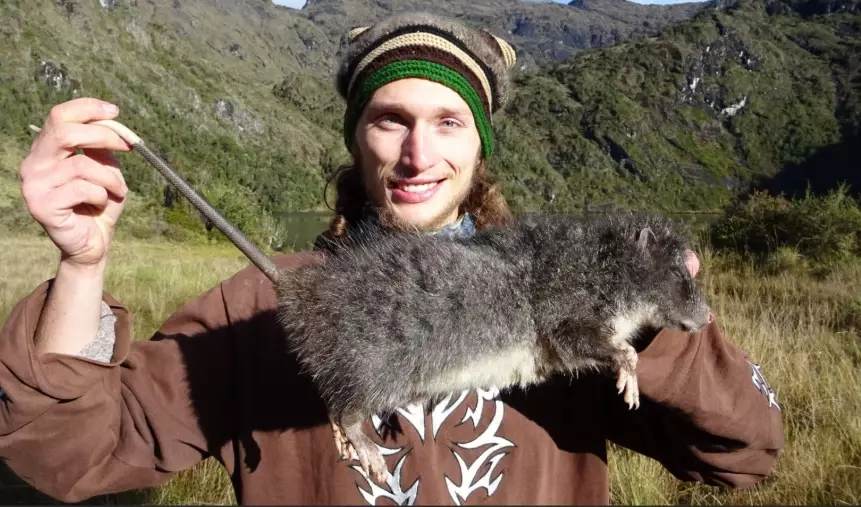
The Evidence Hunt: Camera Traps and Local Knowledge
The field phase is a grind. You're not chasing a creature; you're waiting for it.
Days 1-3: Base Camp and Interviews. Establish camp near a village with access to the target forest. Spend days interviewing hunters. Don't ask, "Have you seen the Bosavi rat?" That leads. Show them the photo gallery. Ask, "Which of these have you seen? Have you ever seen a rat much bigger than this one?" Record locations on GPS. Offer a small reward for a guide to take you to a recent sighting location.
Days 4-10: Camera Trap Grid Deployment. Using the intel from interviews, hike into the most promising area. Deploy your 10 camera traps in a rough grid, about 500 meters apart, focusing on animal trails, water sources, and areas with signs of gnawing or digging. Bait each station. Log each trap's coordinates and orientation. This is exhausting, wet, muddy work. You'll see a hundred common birds and insects for every mammal.
The Wait. You leave the traps for 4-6 weeks. You can't stay the whole time; resources are limited. This is the hardest part. You return to town, maybe work on another project, and wait.
Retrieval and Analysis. You go back, collect the traps, and download the SD cards. This is the moment of truth. You'll have thousands of images. Most will be empty triggers from moving leaves. Some will have common marsupials, birds, maybe a wild pig. The holy grail is a clear image of a large, unidentifiable rodent. Not a blurry blob—a clear shot showing proportions, fur texture, tail characteristics.
That image, combined with a DNA sample from hair snagged on a nearby branch, is what could turn the Bosavi rat from a forum topic into a scientific inquiry.
Your Bosavi Rat Questions Answered
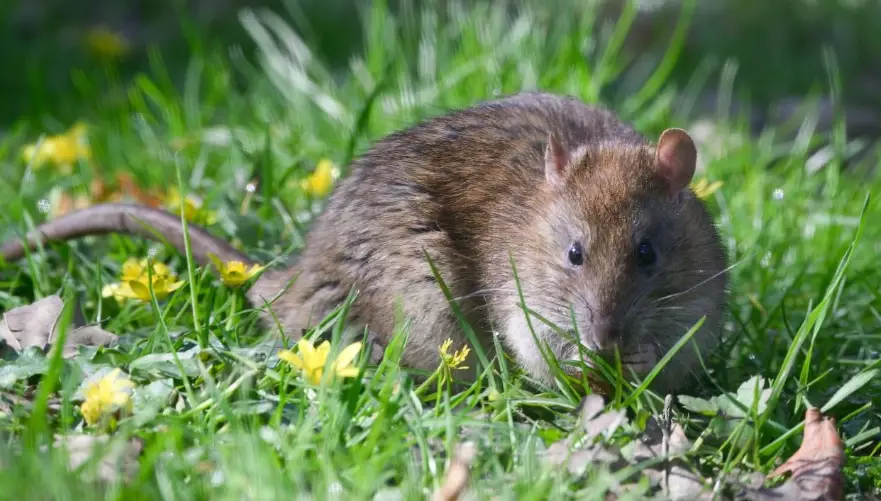 The Bosavi rat, as a specific entity, is probably a myth. But the process of investigating it—respecting local knowledge, applying rigorous field methods, understanding the real fauna—is where the true value lies. Papua New Guinea's forests are still full of undocumented life. The next big discovery might not be a cat-sized rat, but it will be found by someone who knows how to tell the difference between a internet story and a genuine field clue. Maybe that's you. Just make sure your camera traps are fully charged.


Comments
Leave a Comment