Let's be honest. No dog is perfect. But scrolling through social media, you'd think the Pomapoo – that fluffy cross between a Pomeranian and a Toy or Miniature Poodle – was the canine version of a unicorn. Adorable? Absolutely. A great fit for everyone? Not so fast.
I've been around these little charmers for over a decade, from well-bred companions to poorly-conceived "teacup" disasters. The internet is full of generic lists, but you're here for the real story. The one that tells you about the 3 AM "Pomapoo alarm clock" barking fits and the grooming bills that sneak up on you, not just the cute photos.
This guide is for anyone seriously considering bringing one of these dogs home. We're going beyond the fluff to the facts: temperament, health realities, daily care, and whether your lifestyle can actually handle one.
What You'll Find in This Guide
What Exactly Is a Pomapoo?
First things first: names. You might see Pomapoo, Pomerdoodle, or just Pomeranian Poodle mix. They all mean the same thing – a first-generation (F1) or multi-generation crossbreed between a Pomeranian and a Poodle, usually a Toy or Miniature. They're considered a "designer dog," a term that says more about marketing than biology.
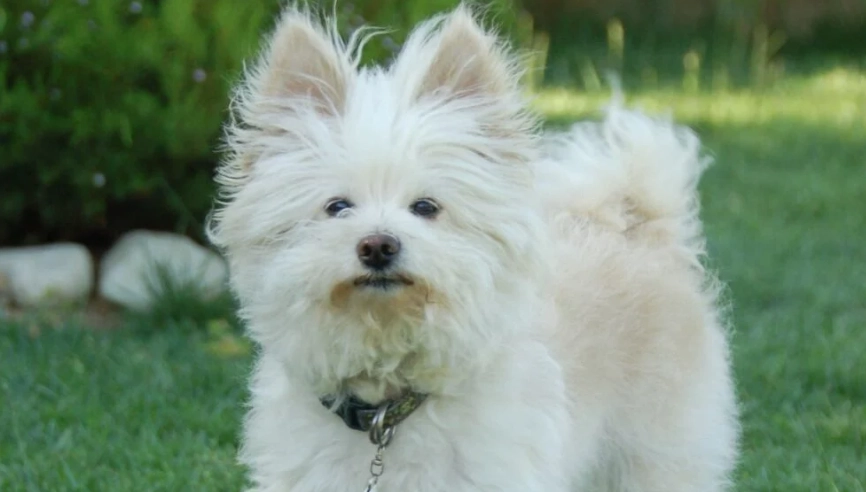
The goal of this mix is to blend the Pomeranian's bold, fox-like charm with the Poodle's intelligence and famously low-shedding coat. The result is a dog that typically weighs between 5 and 15 pounds, with a life expectancy of 12 to 16 years.
The Pomapoo Personality: More Than Just a Pretty Face
This is where things get interesting. You're not getting a purebred's predictability. You're getting a blend, and sometimes the ingredients clash.
The Good Stuff (And It Is Good)
When well-socialized and trained, a Pomapoo is a delightful companion. They're intensely loyal and often form a strong bond with one person. They're clever – sometimes too clever for their own good – which makes training fun if you're consistent. They have a playful, often clownish side that provides endless entertainment. Many inherit the Poodle's affectionate, people-oriented nature, making them true lap dogs who thrive on attention.
The Challenges You Need to Prepare For
Now, the other side of the coin. That Pomeranian heritage brings a notorious stubborn streak. You might ask them to sit, and they'll look at you as if you've suggested they solve a calculus problem. Independence is high on their list.
Then there's the barking. Pomeranians are vocal, and Poodles are alert barkers. Combine them, and you get a dog with opinions about everything: the mailman, a leaf blowing by, the neighbor's cat three houses down. Without early training, this can become a serious neighborhood nuisance.
Separation anxiety is another common pitfall. They love their people so much that being alone can cause real distress, leading to destructive chewing or non-stop howling. I helped a friend whose Pomapoo shredded an entire doorframe in a 4-hour period.
Pomapoo Health: What You Must Know Before You Buy
One big myth is that crossbreeds are automatically healthier. That's not true. They can inherit health issues from either parent breed. The key is the health of those specific parents, not the mix itself.
| Common Health Concern | Source Breed | What to Look Out For |
|---|---|---|
| Luxating Patella | Both (Common in small breeds) | A slipping kneecap. Watch for skipping or holding up a back leg. |
| Tracheal Collapse | Both (Common in small breeds) | Weakness in the windpipe. A honking cough is the classic sign. |
| Dental Issues | Both | Crowded teeth in a small mouth. Requires daily brushing. |
| Legg-Calvé-Perthes Disease | Pomeranian | Degeneration of the hip joint. Causes limping and pain. |
| Eye Problems (Cataracts, PRA) | Both | Progressive Retinal Atrophy (PRA) can lead to blindness. |
The single most important thing you can do is ask the breeder for proof of health testing. For the Poodle parent, this should include evaluations for hips, eyes, and von Willebrand's disease. For the Pomeranian, ask about patella, heart, and eye certifications. If they can't provide these, walk away. You're not buying a healthier dog; you're gambling.
The Real Cost of Grooming a Pom Cross Poodle
"Low-shedding" does not mean "low-maintenance." In fact, it often means the opposite. That beautiful curly or wavy coat is prone to matting. Mats aren't just unsightly; they pull on the skin, cause pain, and can hide moisture and parasites.
You have two paths:
Path 1: The Professional Route. Plan on a professional grooming session every 4 to 6 weeks. For a full groom (bath, haircut, nail trim, ear cleaning), this can cost $50 to $80+ depending on your location and the groomer. Add that up over a year.
Path 2: The Home Grooming Route. This requires a significant investment in tools (quality clippers, shears, table) and, more importantly, the skill and patience to use them safely on a wiggly dog. One slip can cause a serious injury.
Whichever path you choose, non-negotiable home care includes:
- Brushing: 2-3 times per week with a slicker brush, followed by a metal comb to check for hidden mats.
- Eye Care: Daily wiping with a soft, damp cloth to prevent tear stains.
- Dental Care: Daily brushing with dog toothpaste. Those tiny teeth are prone to decay.
Neglect the coat, and you'll end up at the groomer for a shave-down, which is stressful for the dog and leaves them looking like a little plucked chicken.
Finding a Healthy Pomapoo Puppy or Rescue
Your search should start with responsible sources, not impulse buys from online marketplaces.
Choosing an Ethical Breeder
A good breeder's goal is to improve the breed, not just make puppies. They will:
- Welcome you to visit their home and meet the parent dogs.
- Show you health testing documentation for both parents.
- Ask you as many questions as you ask them.
- Have a contract that includes a health guarantee and a clause requiring you to return the dog to them if you can't keep it.
- Keep the puppies until they are at least 8 weeks old.
The price for a puppy from this type of breeder will typically range from $1,000 to $2,500. If the price seems too good to be true, it probably is.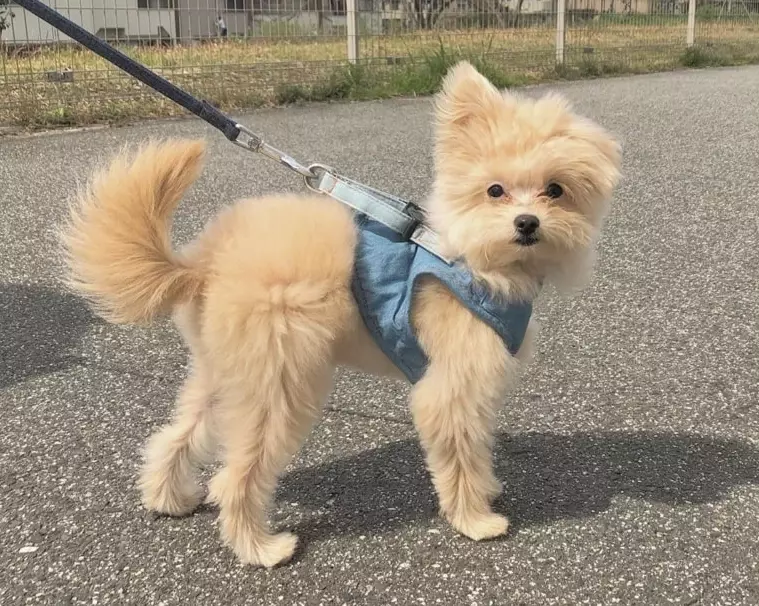
Considering Pomapoo Rescue
This is a wonderful option often overlooked. Dogs end up in rescue for all sorts of reasons—a move, a divorce, an owner unprepared for the reality of dog ownership. Rescue organizations like the North Shore Animal League America or local small dog rescues sometimes have Pomeranian or Poodle mixes. Adopting an adult dog means you often get a clearer picture of their personality and health, and you're giving a second chance to a deserving animal. Adoption fees are usually much lower, ranging from $200 to $500.
Your Pomapoo Questions, Answered
 Is a Pomeranian crossed with a Poodle a good family dog with young children?
So, is a Pomapoo the right dog for you? If you want a smart, affectionate, and portable companion, have the time for consistent training and extensive grooming, and are committed to finding a healthy puppy from a reputable source, then yes, you might have found your match.
 But if you're looking for a low-maintenance, quiet dog that's always eager to please without question, this probably isn't it. They're complex little creatures, full of personality and demands. Go in with your eyes open to both the immense joy and the real work, and you'll be rewarded with a truly unforgettable friend.





Comments
Leave a Comment