Reaching for a leaf on your favorite rose bush and feeling a sudden, sharp, burning pain is a horrible surprise. You look down and see what looks like a tiny, hairy, brownish creature that seems more like a misplaced sea slug than an insect. You’ve just met the hag moth caterpillar (Phobetron pithecium), also known as the monkey slug caterpillar. Its bizarre appearance is a perfect disguise, and its sting is a defense mechanism you don’t want to test. I’ve been studying and writing about backyard ecology for over a decade, and I still get a jolt of adrenaline when I spot one. Most online guides repeat the same basic facts. Here’s what you really need to know, including the subtle mistakes people make when dealing with them.
What You’ll Find in This Guide
What Does a Hag Moth Caterpillar Look Like?
Forget the typical cylindrical caterpillar. This one looks like it lost an argument with a barber. The mature hag moth caterpillar is about 1 inch long and looks like a disheveled, hairy mass. It has nine pairs of fleshy, arm-like projections (technically, lateral processes) that are thickly covered in long, brownish-gray hairs. These hairs are the key to its defense—and your pain.
Here’s a breakdown of its key identification features:
| Feature | Description | Why It Matters |
|---|---|---|
| Shape & Posture | Flattened, slug-like. Often rests with its body arched, making the hairy "arms" more prominent. | This unusual posture makes it look like a dead leaf or debris, a perfect camouflage. |
| Color | Variable: usually mottled brown, tan, or gray. Can sometimes have a reddish or greenish tint. | Color blends with tree bark and dried leaves. Don't rely on color alone for ID. |
| Hairs (Setae) | Long, dense, and shaggy. They are not soft fur; they are urticating (stinging) hairs connected to venom glands. | These are the delivery system for the sting. Even detached hairs can cause irritation. |
| "Arms" | Nine pairs. The third pair from the front is often longer and more twisted, resembling legs. | This "monkey slug" appearance is unique among North American stinging caterpillars. |
| Head | Small, retracted, and often hidden beneath the front of the body. | Hard to see, which adds to its overall weird, non-caterpillar-like look. |
I once spent twenty minutes examining what I thought was a strange fungus on an oak leaf, only for it to slowly start moving. That’s how good the disguise is.
Quick Tip: If you see something that looks like a miniature, hairy starfish or a bit of moldy leaf litter on the underside of a leaf, stop and look closer before touching. They favor the undersides for protection.
The Hag Moth Caterpillar Sting: What Really Happens?
The sting isn’t a bite. The caterpillar doesn’t actively attack. The pain comes from accidental contact with its hollow, barbed hairs. Each hair acts like a hypodermic needle, injecting a cocktail of irritants when it breaks the skin. According to entomology resources from universities like the University of Kentucky's Department of Entomology, the venom contains histamines and other compounds designed to deter predators.
The sensation is immediate.
A burning, prickling pain, similar to a bad bee sting but often described as more "electric" or sharp. The affected area quickly becomes red and swollen. For most people, the intense pain peaks within the first hour and then gradually subsides into a persistent, maddening itch that can last for several hours to a couple of days. Some individuals develop a raised, red rash or welts that follow the pattern of contact.
Here’s a timeline of a typical reaction:
- 0-5 minutes: Sharp, burning pain. Redness appears.
- 5-60 minutes: Pain remains strong. Swelling increases. Itching begins.
- 1-8 hours: Pain fades, but intense itching and localized inflammation dominate.
- 8+ hours to 2 days: Itching slowly subsides. Redness and slight tenderness may linger.
When to See a Doctor: While rare, some people can have severe allergic reactions. Seek immediate medical help if you experience symptoms beyond the sting site, such as difficulty breathing, dizziness, nausea, widespread hives, or swelling of the lips, tongue, or throat. Also see a doctor if the sting area shows signs of infection (increasing redness, warmth, pus, or red streaks).
How to Safely Remove a Hag Moth Caterpillar
You found one on your kid’s swing set or your prized apple tree. The instinct is to flick it off with a stick. That’s a good way to get stung or scatter hairs into the air. Here’s the method I’ve refined after years of field work, which prioritizes safety for you and the caterpillar (they are still part of the ecosystem).
Step-by-Step Removal Protocol
1. Gear Up (Non-Negotiable): Don’t skip this. Wear close-fitting gardening gloves (leather or thick rubber). Put on safety glasses. A simple pair of sunglasses or reading glasses won’t stop floating hairs. A disposable dust mask is also a smart idea if you’re sensitive.
2. The Tool: Use a stiff piece of paper (an index card, a thin disposable plate) or a plastic putty knife. The goal is to slide a firm edge under the caterpillar without pressing down on it.
3. The Maneuver: Gently slide your tool between the caterpillar and the leaf/branch. In one smooth motion, lift and transfer the caterpillar directly into a sealed container or a bag. Don’t try to flick or brush it. Smooth, direct transfer.
4. Relocation: Take your sealed container to a wooded area away from high-traffic spots and release it onto the trunk of a hardwood tree. Don’t just drop it on the ground.
5. Post-Removal Cleanup: Carefully dispose of your tool or wash it thoroughly with soap and water. Wash your gloves. Don’t touch your face until you’ve washed your hands well.
The biggest mistake I see? People using tape to try and "pluck" the caterpillar off. This often presses the hairs into the skin or breaks them off, making the problem worse. The slide-and-lift method is far superior.
From ‘Monkey Slug’ to Moth: The Lifecycle
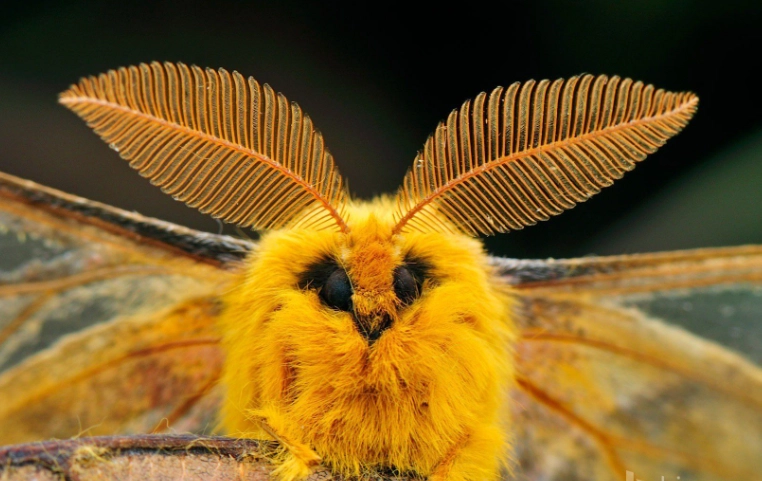
The hag moth adult is a fascinating contrast to its larval form. It’s a small, furry moth with a wingspan of about 1 to 1.5 inches. Males are dark brown with transparent spots on their wings and feathery antennae. Females are larger and more yellowish-brown with opaque wings. They are nocturnal and rarely noticed.
The caterpillar stage is the one we encounter, typically from mid-summer to early fall. After feeding, it forms a dark, silken cocoon, often in leaf litter or bark crevices, where it pupates and overwinters. Understanding this cycle helps you know when to be most vigilant in your garden.
Practical Prevention Tips for Your Garden
You can’t (and shouldn’t try to) eradicate them completely. The goal is coexistence and minimizing risky encounters.
- Inspect Before You Touch: Make it a habit. Before pruning, harvesting fruits, or even just leaning on a tree, scan the undersides of leaves and along stems.
- Wear Protective Clothing: When doing extensive gardening in late summer, wear long sleeves, pants, and gloves. It’s simple but effective.
- Encourage Natural Predators: Birds are great caterpillar controllers. A bird-friendly garden with feeders, baths, and native plants helps keep all insect populations balanced. Parasitic wasps also target them.
- Targeted Inspection: Focus on their favorite host plants: oak, ash, willow, wild cherry, apple, pear, rose, and viburnum. Check these first.
Common Mistakes and Misconceptions
Let’s clear up some confusion that other guides gloss over.
Myth 1: “If I don’t touch it, I’m safe.” The hairs can detach and become airborne, especially if the caterpillar is disturbed or dead and dried out. You can get hairs in your eyes or inhale them just by brushing past an infested branch.
Myth 2: “Vinegar or bleach will neutralize the sting.” No. This can irritate the skin further. Stick to soap and water, baking soda paste, or approved anti-itch creams.
Myth 3: “They are deadly poisonous.” The sting is painful and unpleasant, but it is not life-threatening for the vast majority of people. The risk is primarily severe allergic reaction, which is uncommon.
Mistake 4: Using insecticide for a single caterpillar. This is overkill, harms beneficial insects, and you still have to handle the dead, hairy carcass which remains toxic.
Your Questions, Answered
Spotting a hag moth caterpillar can be a startling experience, but it doesn’t have to be a painful one. Respect its space, use the right removal technique, and appreciate its role in the complex web of your backyard. It’s a reminder that even the strangest-looking creatures have a place, and a little knowledge goes a long way in avoiding a nasty sting.




Comments
Leave a Comment