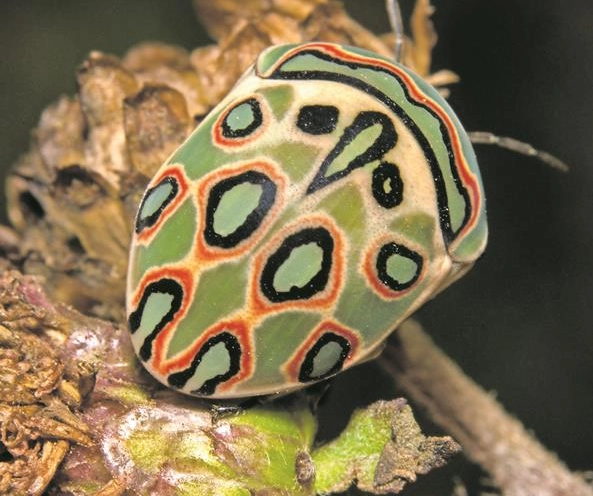
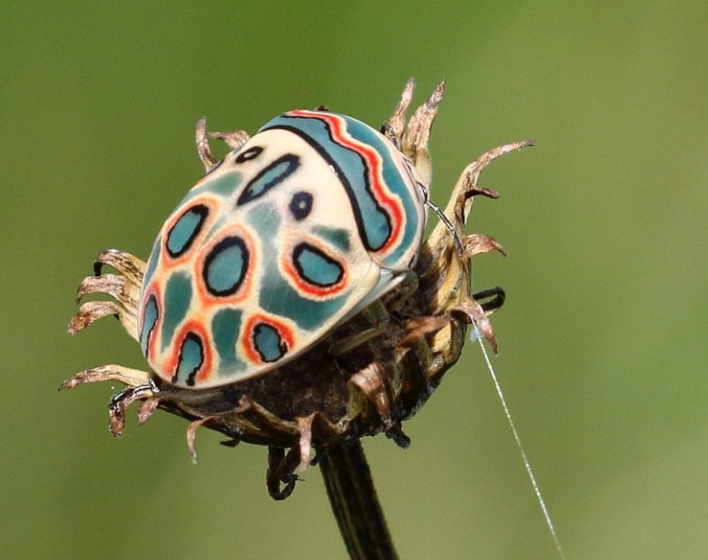
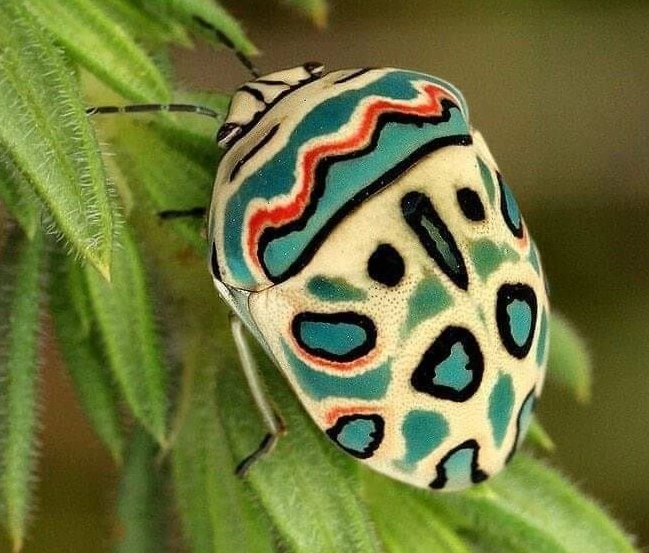
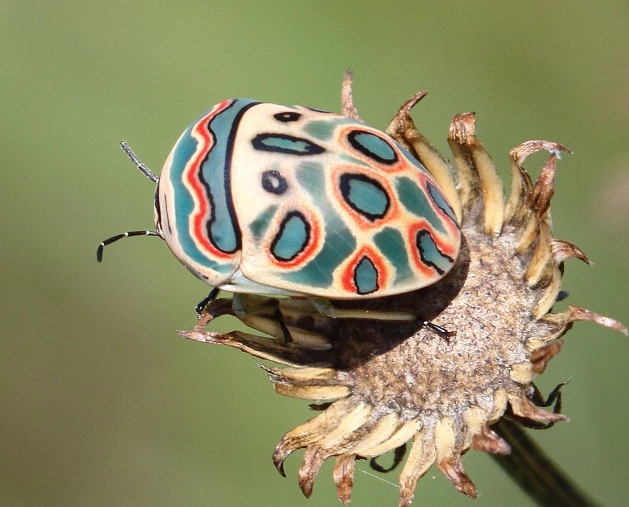
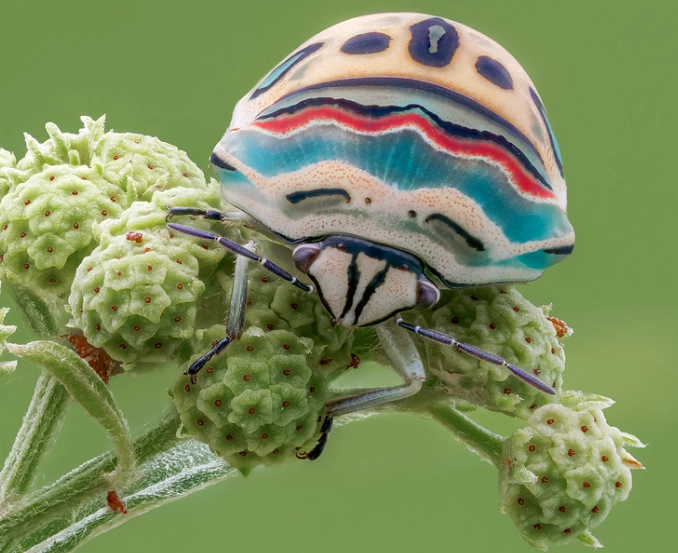
I remember the first time I saw a Picasso beetle (Sphaerocoris annulus). It wasn't in a jungle, but in a friend's terrarium, looking utterly unreal. This tiny shield-backed bug from tropical Africa is covered in what can only be described as abstract art—swirls of yellow, black, and red that look hand-painted. It’s no wonder they’re called ‘picasso bugs’ or ‘painted bugs’. But here’s the thing nobody tells you upfront: keeping their colors vibrant and their environment healthy is a subtle art in itself. It’s not just about throwing fruit in a box. Get the humidity wrong by 10%, and you’re not cultivating art; you’re farming mold. Let's clear up a common mix-up first. The ‘Picasso beetle’ is technically not a beetle. It’s a true bug, from the order Hemiptera. This matters because their mouthparts are designed for piercing and sucking, not chewing. They’re part of the Scutelleridae family, often called shield bugs because of their enlarged, shield-like thorax (the scutellum). Sphaerocoris annulus is the species you’ll most likely find in the hobby. They hail from parts of East and Southern Africa. In the wild, they’re often found on various plants, but they seem particularly fond of Malvaceae family plants (like hibiscus and mallows). Their stunning coloration isn’t just for our amusement—it’s aposematic, a warning to predators that says, “I don’t taste good.” And they’re right. When threatened, they can secrete a foul-smelling fluid from glands on their thorax. It’s not dangerous, but you’ll want to wash your hands. This is where most beginners stumble. You read “tropical insect” and think “steamy rainforest tank.” Wrong move. High, stagnant humidity is the fastest way to kill these bugs with mold. I learned this the hard way. My first colony thrived for a month, then I noticed a few lethargic bugs and a fuzzy white bloom on the cork bark. I’d been misting daily, creating a petri dish. The setup needed a complete overhaul. A standard glass or acrylic terrarium works best. Go for height over floor space; they aren’t marathon runners. A 10-gallon tall tank is excellent for a small colony of 5-6 adults. The single most critical feature? Ventilation. A full mesh top or a front ventilation panel is non-negotiable. You need air moving through to prevent condensation from building up on the glass. The substrate has two jobs: hold some moisture and be mold-resistant. For decor, think flat. They love climbing on and hiding under broad, flat surfaces. Don’t clutter it. They need open space to move around and find food. This is the delicate balance. Aim for a humidity range of 60-75%. You don’t need a constant mist. Provide humidity through: Get a digital hygrometer. The analog dial ones are often inaccurate. Temperature is easier: 72-80°F (22-27°C) is perfect. Room temperature is usually fine, but avoid placing the tank near drafty windows or heat vents. Yes, they love fruit. But feeding only banana or mango will lead to nutritional deficiencies and a sticky, ant-attracting mess. Their mouthparts are like tiny straws. They pierce the skin of fruit or plant stems and suck out the juices. You’ll see them huddle around a food item, their rostrum (beak) extended. Food Rotation is Key. Offer a different item every couple of days. Remove any uneaten food after 24-36 hours to prevent rot and fruit fly infestations. Do they need protein? Adults get by on plant sap and fruit juices. Some keepers report they may occasionally scavenge dead insects, but it’s not a required part of their diet. The nymphs (young), however, might benefit from more access to plant stems, which could have different nutrient profiles. Breeding Sphaerocoris annulus in captivity is where you separate casual keepers from dedicated breeders. It’s not impossible, but it requires mimicking subtle seasonal cues they’d get in the wild. The lifecycle is incomplete metamorphosis: egg -> nymph (5 instars) -> adult. The nymphs look like smaller, duller versions of the adults and lack the full, developed wings and colorful scutellum. If your adults are healthy and well-fed, mating often happens without intervention. You’ll see the smaller male mounted on the female for an extended period. The real challenge is the eggs. Females lay clusters of barrel-shaped eggs, often on the underside of leaves or in crevices in the bark. To encourage this: Eggs hatch in 1-2 weeks. The tiny nymphs are vulnerable to drying out and mold. Here’s the nuanced part: they need slightly higher humidity than the adults, but even better ventilation. A small, well-ventilated container within the main habitat can work. A healthy Picasso beetle is active, has a plump body, and vibrant colors. Here’s what to watch for: Prevention is always better than cure. Maintain your habitat, remove waste, and don’t overfeed. Keeping Picasso beetles is a rewarding niche in the insect hobby. It’s less about flashy handling and more about the quiet satisfaction of creating a stable, beautiful micro-ecosystem. When you get it right, and those little living canvases are climbing on a piece of cork bark under the light, it’s a unique kind of magic. Just remember, the key isn’t a green thumb—it’s a balanced hand with the spray bottle.What's Inside This Guide
What Exactly Is a Picasso Beetle?
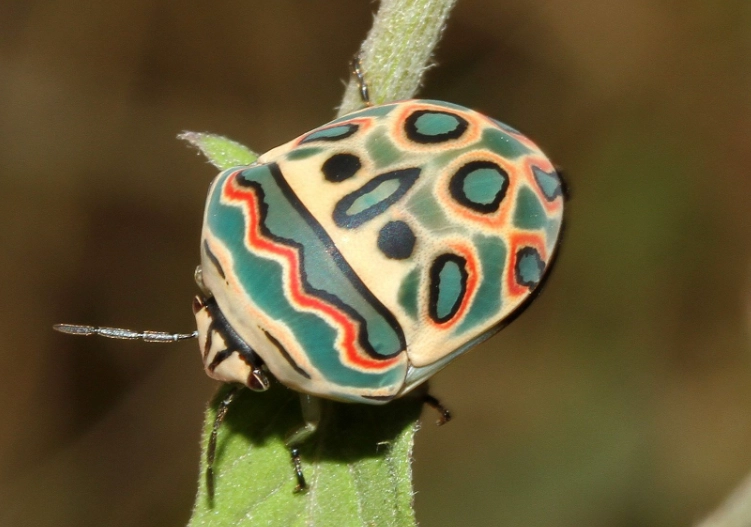
How to Set Up the Perfect Picasso Beetle Habitat
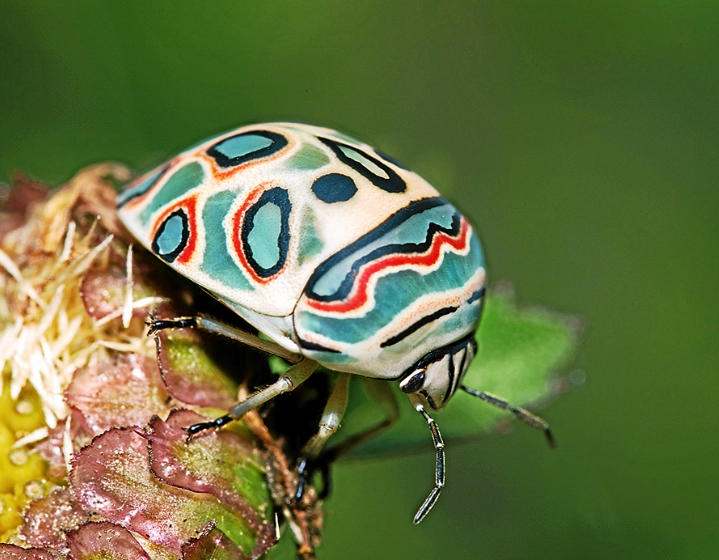
Enclosure Essentials
Substrate & Decor: Building a Functional Home
The Humidity & Temperature Sweet Spot
The Picasso Beetle Diet: Beyond Banana Slices
Food Item
Frequency
Notes & Preparation
Berries (raspberry, blueberry)
Staple
High in moisture and nutrients. Leave whole or halved.
Melon (cantaloupe, honeydew)
2-3 times a week
Excellent water source. Remove rind, cut into small wedges.
Leafy Greens (romaine, kale)
Weekly
Provides fiber. Offer a fresh, washed leaf.
Squash/Zucchini
Weekly
Slice thinly. A good alternative to sweet fruit.
Banana / Mango
Treat (once a week)
Very sweet, can be messy. Small pieces only.
The Tricky Business of Breeding Picasso Beetles
Encouraging Mating & Egg Laying
Raising the Nymphs
Common Health Issues & How to Spot Them
Your Picasso Beetle Questions Answered
Quick Facts at a Glance:
The Mold Prevention Secret: Introduce a clean-up crew. A culture of springtails (Collembola) added to your substrate is the best insurance policy you can buy. These tiny arthropods consume mold spores and decaying matter before they become a problem. You can order them from most reptile or bioactive supply stores.
Are Picasso beetles good for beginners?
They sit firmly in the intermediate category. Their care sheet isn't a novel, but they have specific needs that don't allow for much neglect. If you can keep the humidity balanced and prevent mold, you'll do fine. But if you want a completely hands-off pet insect, look at something like a death-feigning beetle first.
How do I set up a Picasso beetle habitat that prevents mold?
Focus on airflow and moisture gradient. Use a tall tank with a mesh lid. Layer your substrate, but keep the top layer dry (orchid bark helps). Provide humidity via a water dish and light, targeted misting in one corner only—never soak the whole enclosure. The single best thing you can do is add a culture of springtails to the substrate. They are mold-eating machines and will manage the problem at the source.
What's the biggest mistake people make when trying to breed Picasso beetles?
Treating the entire enclosure the same. Successful breeding requires a moisture gradient. The female needs a consistently damp patch to lay her eggs (think a corner with slightly wetter substrate). But the eggs and nymphs can't be waterlogged. The rest of the enclosure should be at your standard, moderate humidity. This gradient mimics the microclimates they'd find in nature and is often the missing piece for successful hatching and nymph survival.
Can I keep multiple Picasso beetles together?
Absolutely, they are gregarious and do well in groups. I keep mine in colonies. The caveat is space and resources. A 10-gallon tank is perfect for a starter group of 5-6. Overcrowding is a stressor and a major contributor to waste buildup and disease. Make sure there are multiple flat hiding spots and that food is spread out so the less dominant bugs can eat too.
Comment